I, Choir
The only thing better than singing is more singing
When I was ten, I was cast as the Sad Shepherd in the school nativity. Not the lead shepherd, not the one who carried the lamb or pointed nobly at the star, but Sad Shepherd, which even now sounds less like a role in a Christmas play and more like a psychological diagnosis. I remember the costume more than the plot. A tea towel arranged with theatrical optimism, a dressing gown that smelled faintly of other children, a belt that scratched my stomach, my dads too-big sandals that made me feel half biblical and half ridiculous. I remember standing under the assembly hall lights, surrounded by angels in tinsel halos and kings in curtains, feeling the peculiar dread of being seen by everyone and understood by no one.
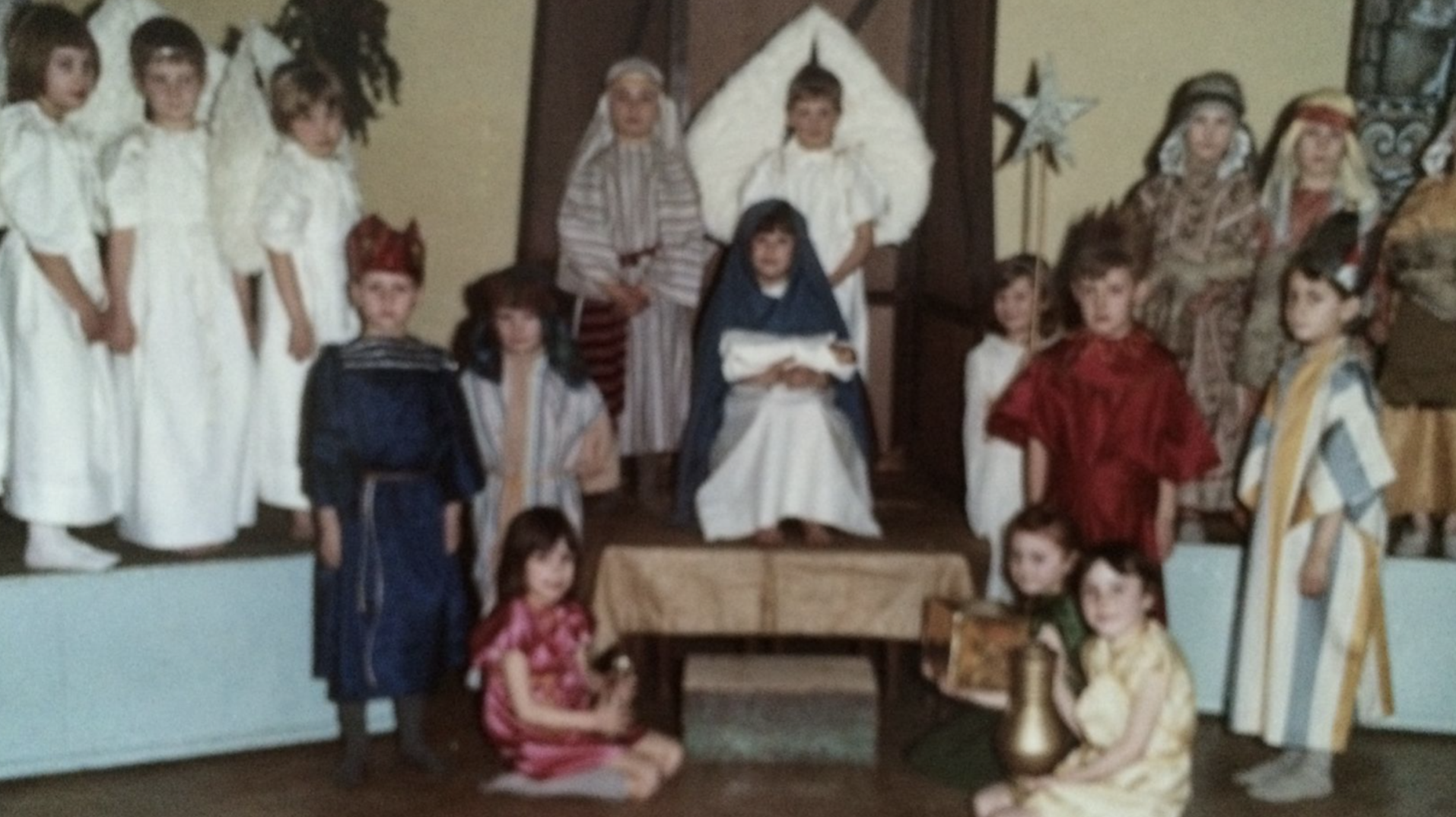
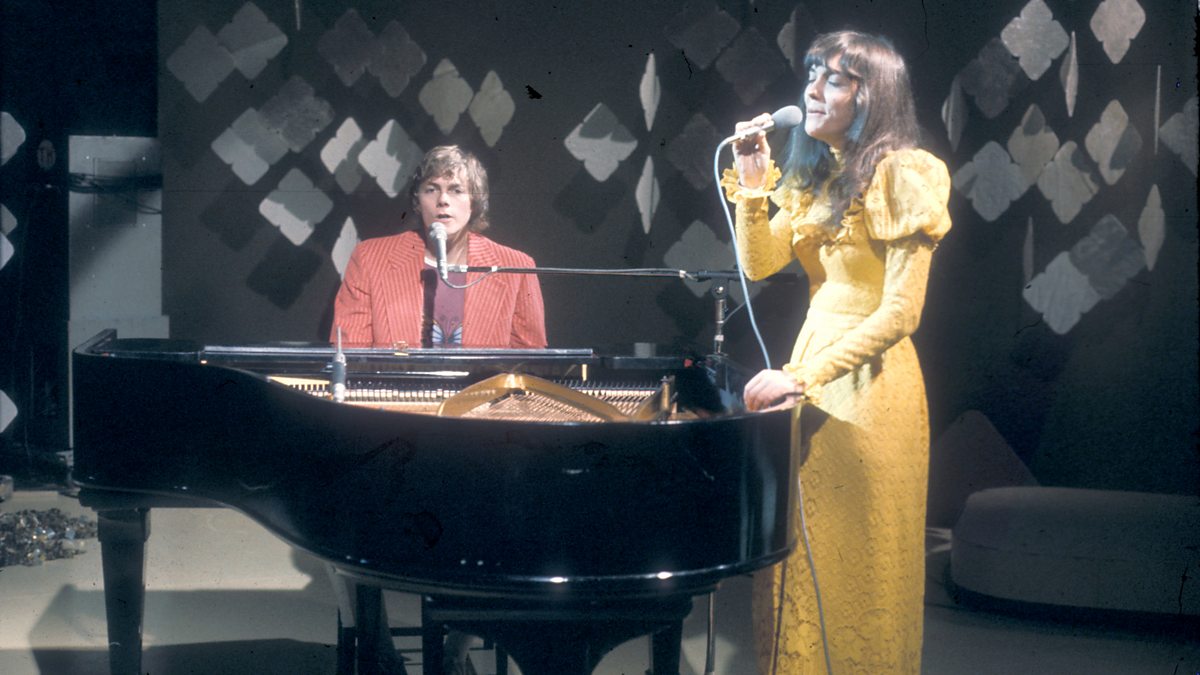
At some point in the performance, I had to sing the choral ending of The Carpenters’ “Goodbye to Love.” I cannot now explain the dramaturgical logic of this. Bethlehem, Karen Carpenter, a boy in borrowed robes, a congregation of parents sitting on folding chairs. Yet there it was. My assignment. My small public wound. And when the voices around me began to rise, something happened that I have never quite forgotten. The song lifted out of us, larger than any one child could have made alone. It gathered in the rafters like weather. It moved through my chest before it moved through my mouth. I did not know then that I was gay, not in any language I could use, but some hidden part of me recognised itself in the swell. The longing, the ache, the polished sadness, the way beauty could arrive wearing mascara and grief at the same time. I stood there as Sad Shepherd and felt, perhaps for the first time, that a voice did not have to be strong on its own to be true. It could tremble and still belong. It could hide inside other voices until it was brave enough to be heard.
I think that is where my love of choirs began. Not in musical sophistication, which I have never possessed in any disciplined way, but in the bodily revelation that harmony is a form of mercy. It lets us enter the world at the pitch we can manage. It says, bring what you have. Your cracked note, your breath, your shyness, your longing, your small private weather. We will make room for it. We will place it beside another sound, and another, and another, until what felt insufficient alone becomes necessary together.
Years later, in Bukavu, in the Democratic Republic of Congo, I felt that lesson return to me with a force I was not prepared for. I was there for work, or at least that is what the itinerary said. We were trying to understand trust, participation, and the lived reality of people whose relationship with institutions had been shaped by conflict, fragility and survival. Design, in those contexts, cannot remain an elegant abstraction. It cannot sit at a table with Post-its and pretend the world is waiting to be organised. It has to listen with its whole body. It has to notice the speed of someone’s glance, the tension in a room, the way hope can appear for half a second and then retreat.
One Sunday, I entered a church in the village of Mukongola, outside Bukavu. There were three masses that day, each filled with thousands of people. The building itself was simple, open, worn by use and prayer. Then the choir began. A Swahili choir burst into song, children dancing, wearing crisp white dresses and white caps, and I was overcome by the piercing beauty of the moment. It felt hopeful, together, open. I wrote later that “our practice had taught us that design is a visceral act as much as an intellectual one, that I could feel this in my heart and on my skin, and that I was ready to learn more.”
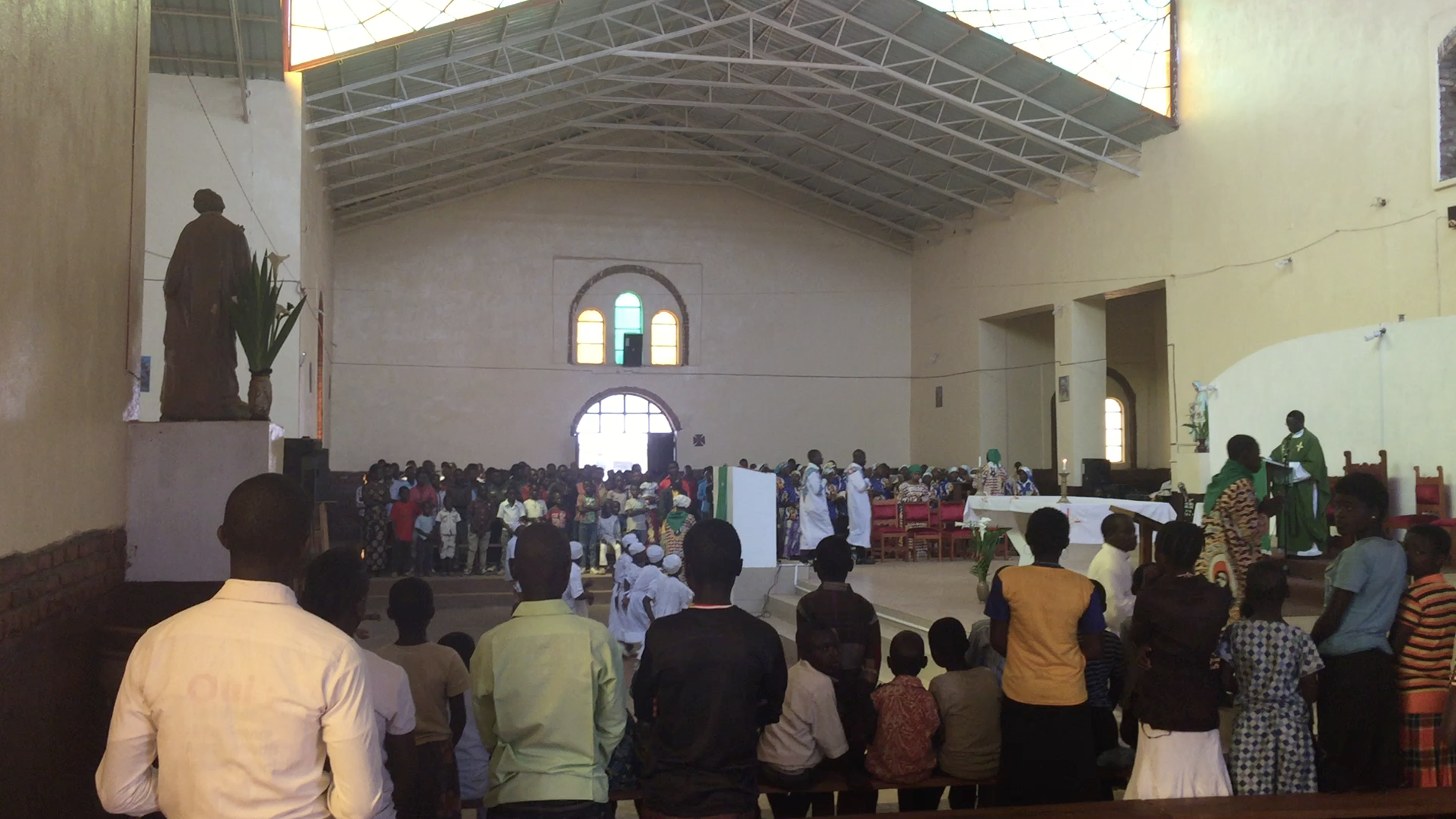
I still stand by every word of that. Perhaps more now than I did then. Because what I felt in that church was not performance. It was not entertainment. It was not even, exactly, music. It was proof of life. It was a community breathing itself back into form. Every voice carried something, faith, fatigue, memory, hunger, joy, defiance, surrender. The children’s voices did not erase the pain of the place. They did something more powerful. They refused to let pain be the only story. They made a clearing in the air. They made the room porous to grace.
A choir is one of the few human inventions that makes mutual dependence audible. You cannot dominate harmony and still have harmony. You cannot shout your way into blend. You have to listen as actively as you sing. You have to give yourself to timing, to spacing, to restraint, to the fragile mathematics of breath. You have to trust that the note you are holding, perhaps plain and unadorned on its own, has meaning because of what it allows someone else to do beside it. This is why I think harmony is a choreography of the soul. It is the body learning to make room. It is the self stepping slightly aside without disappearing. It is waltzing with our eyes closed, not because we are lost, but because we have learned to feel the movement of others through the floor.
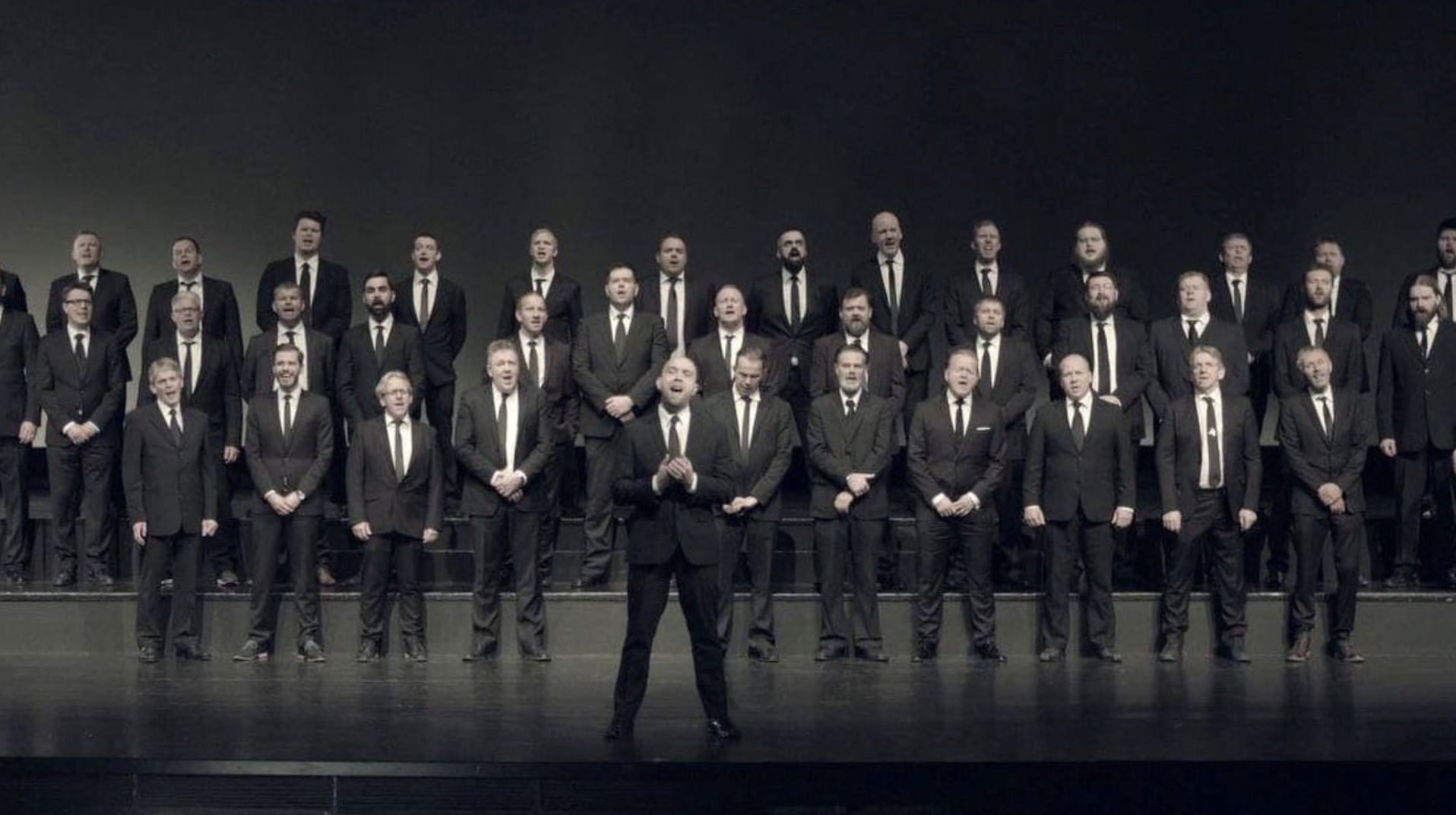
When I lived in Iceland, I began to notice men’s choirs everywhere. Not as nostalgic civic decoration, but as something alive, muscular, tender, almost geological. The one that stayed with me most was called Fjallabræður, which means “Mountain Brothers” in English. Perfectly apt. The name seemed to contain the whole feeling of them. Men standing shoulder to shoulder like a range of dark hills, solid and weathered, yet opening their mouths to let tenderness move through them. At first, I found it moving because it was beautiful. Then I found it moving because it was brave. Here were men, many of them big, bearded, solid as basalt, allowing feeling to come out in public. Not ironic feeling. Not managed feeling. Not feeling translated into banter or sport or drinking or anger. Actual feeling. Breath made vulnerable.
I remember hearing a line from one of those Icelandic choir members that has stayed with me ever since. He spoke of not wanting to be men who were frightened to express their feelings. They wanted to be role models for their sons and daughters, to form a new kind of society. That sentence still makes something in me ache. Because so much of what we call masculinity has been built around the management of sound. Lower your voice. Do not break. Do not soften. Do not sing unless drunk, victorious or safely disguised by a stadium. Yet the choir reverses this. It says the male voice is not only an instrument of command. It can be an instrument of care. It can hold sorrow without collapsing. It can hold tenderness without apology. It can stand in a row of other men and become less alone.
Perhaps that is why choirs feel almost mystical to me. They take the most intimate human material, breath, and make it communal. Breath is the first thing we receive and the last thing we return. Between those two events, everything depends on how we use it. We spend so much of life turning breath into persuasion, defence, explanation, charm, seduction, instruction. The choir turns breath into belonging. It says, for a few minutes, stop proving yourself. Stop presenting yourself. Stop being the edited version. Come in on the note. Hold it. Let it hold you back.
There is something deeply democratic in this. Not because all voices are the same, but because they are not. A soprano is not a bass. A tenor is not an alto. A child’s voice is not an old man’s voice. A trained singer is not someone who has come in from the rain, terrified of being heard. The point is not sameness. The point is relation. The beauty comes from difference finding a structure generous enough to carry it. In this sense, the choir is not a metaphor for collaboration. It is collaboration stripped to its essence. Many voices, one shared weather. Many bodies, one breath. Many histories, one temporary architecture of sound.
Design has so much to learn from this. Too often, collaboration is treated as a polite word for alignment, as if the goal is to sand down contradiction until everyone can agree on a sentence. But choirs do not work because everyone sings the same note. They work because each part knows both its independence and its responsibility. The alto line may sound strange alone. The bass may feel repetitive. The harmony may seem unresolved until the missing voice enters. This is how good work happens too. The researcher, the strategist, the designer, the engineer, the client, the critic, the community, the person who notices the thing no one else has seen. Each voice may sound partial, even awkward, in isolation. But when held in relation, a larger intelligence appears.
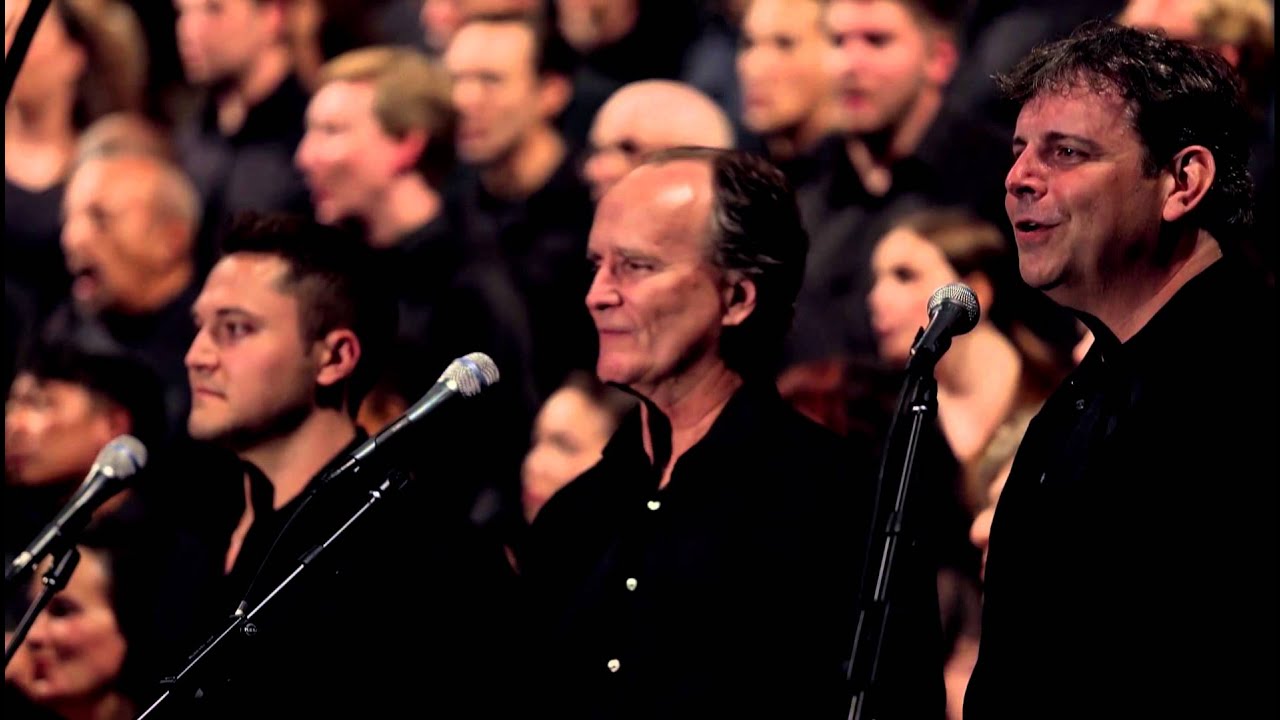
That is the design implication of the choir for me. The whole is not a smoothing over of the parts. The whole is a living pattern made from them. Fractals coming together. Small shapes repeating at different scales until something vast appears. A choir is made of mouths, lungs, ribs, memories, accents, nerves, teeth, childhoods, griefs, and tiny acts of courage. Yet from this unruly human material comes a sound that can feel almost celestial. Not because it leaves the human behind, but because it gathers the human so completely.
I have always been suspicious of genius when it travels alone. The solitary visionary, the lone founder, the heroic auteur, the one great mind who sees what others cannot. Of course individuals matter. A single voice can call us forward. Patti Smith can do that. David Byrne can do that. Rufus Wainwright can do that. But something different happens when a singular voice steps into a room and invites everyone else to sing with it.
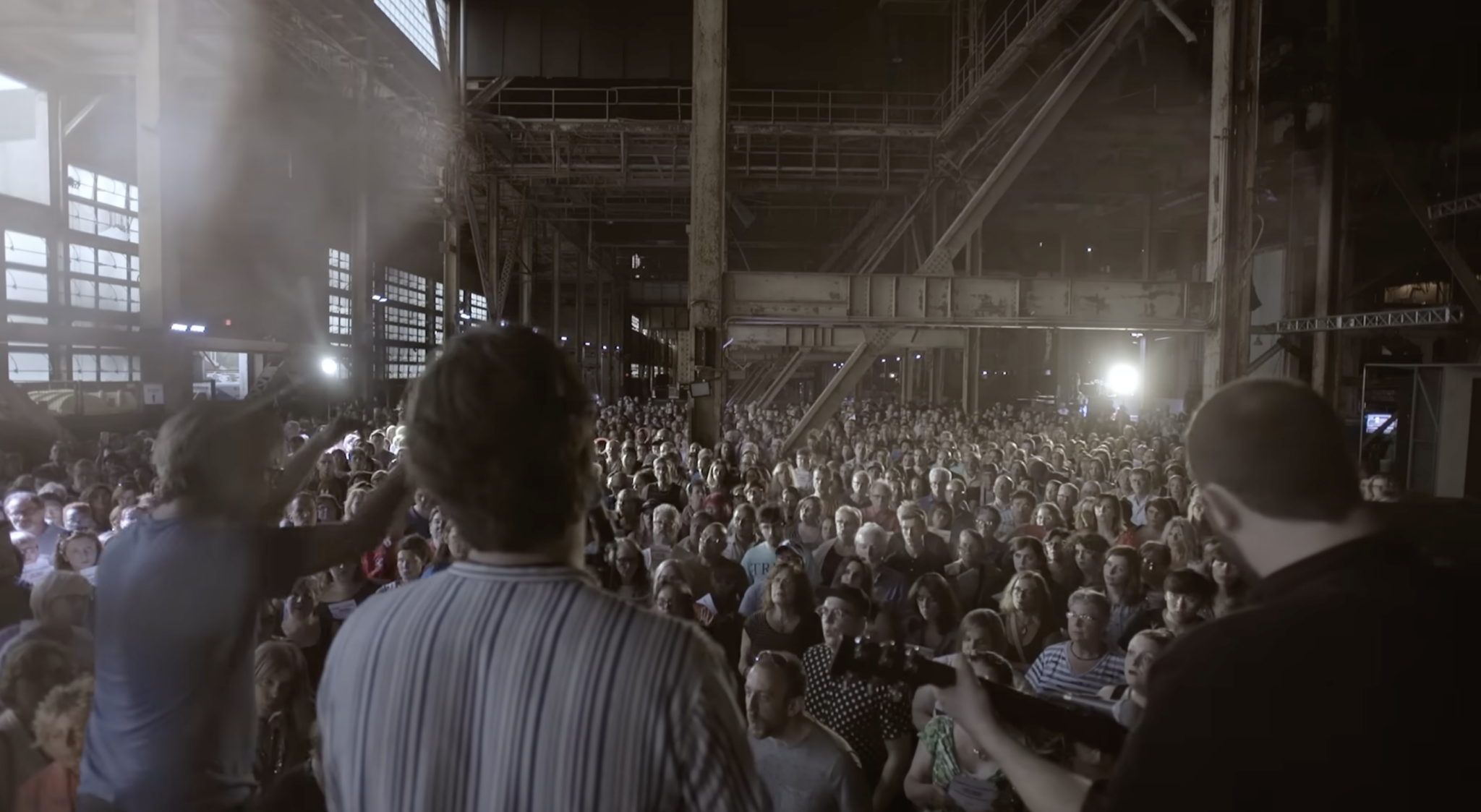
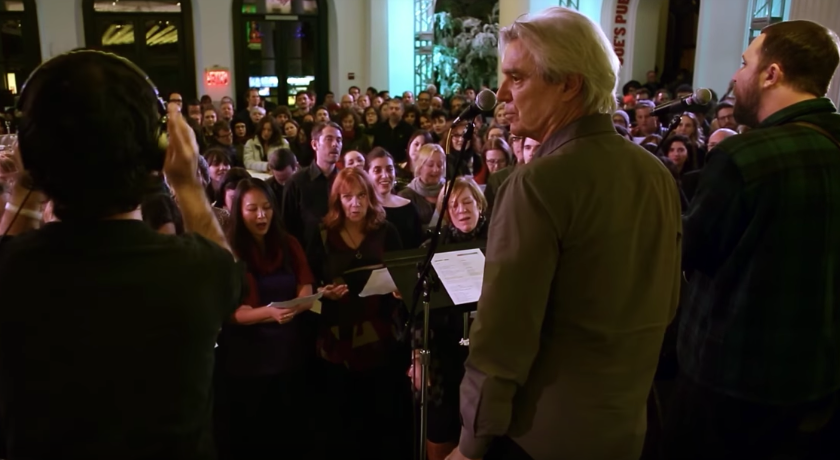
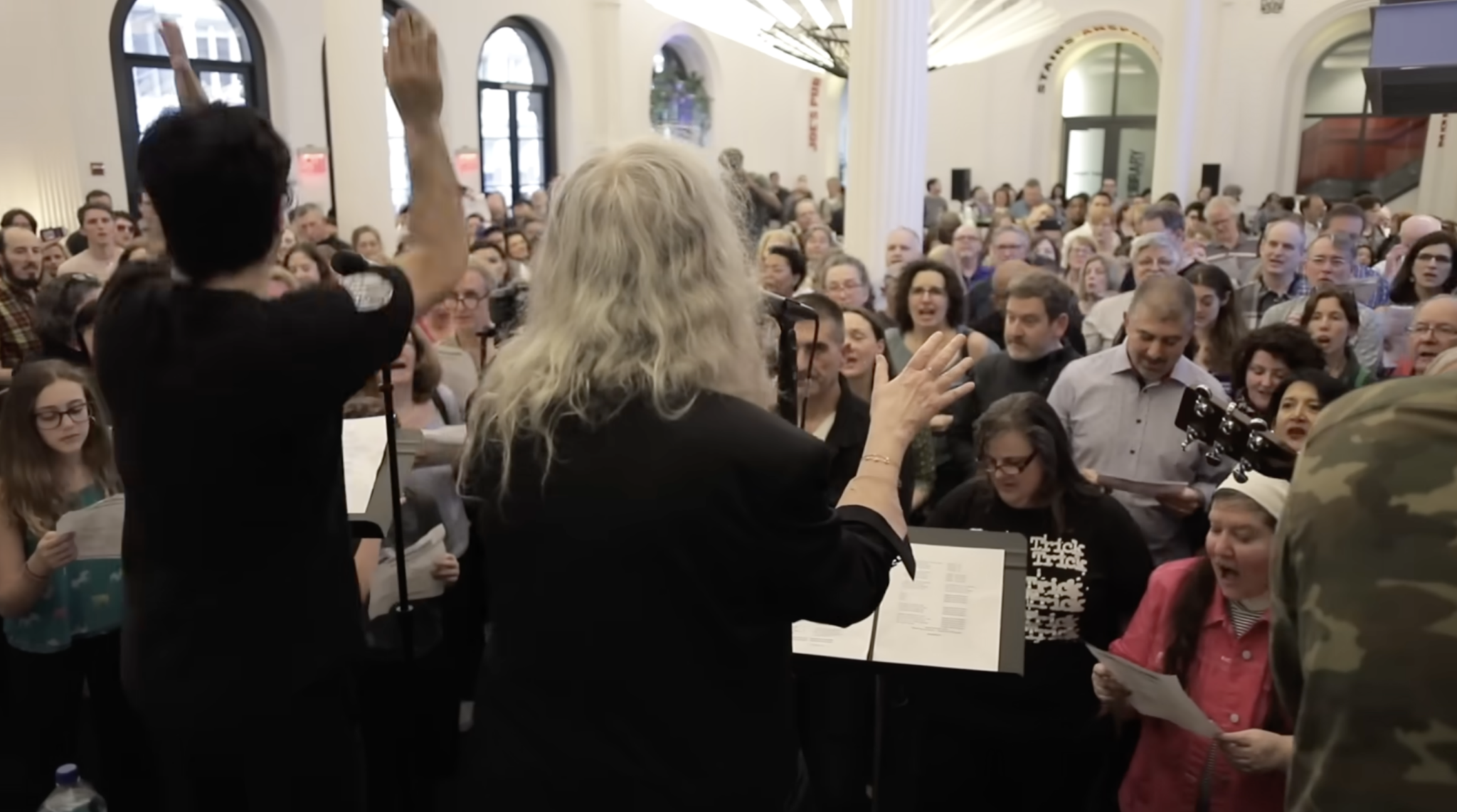
This is why I have such deep affection for Choir! Choir! Choir!, the ongoing public singing experiment created by Daveed Goldman and Nobu Adilman. Since 2011, they have been doing something deceptively simple and profoundly radical. They gather strangers in a room, teach them a song, divide them into parts, and then let the room discover itself through sound. Performer and audience dissolve into one another. The stage becomes less important than the shared breath beneath it. Over the years, they have sung with Patti Smith, David Byrne, Brandi Carlile, Rick Astley, Rufus Wainwright, and even Kermit the Frog at Lincoln Center, but what moves me most is not the celebrity of the guest. It is the democratic tenderness of the format. Nobody arrives as the star. Everybody arrives as material. A crowd becomes a choir. A song becomes a shelter. A roomful of separate lives becomes, for a few minutes, a single weather system.
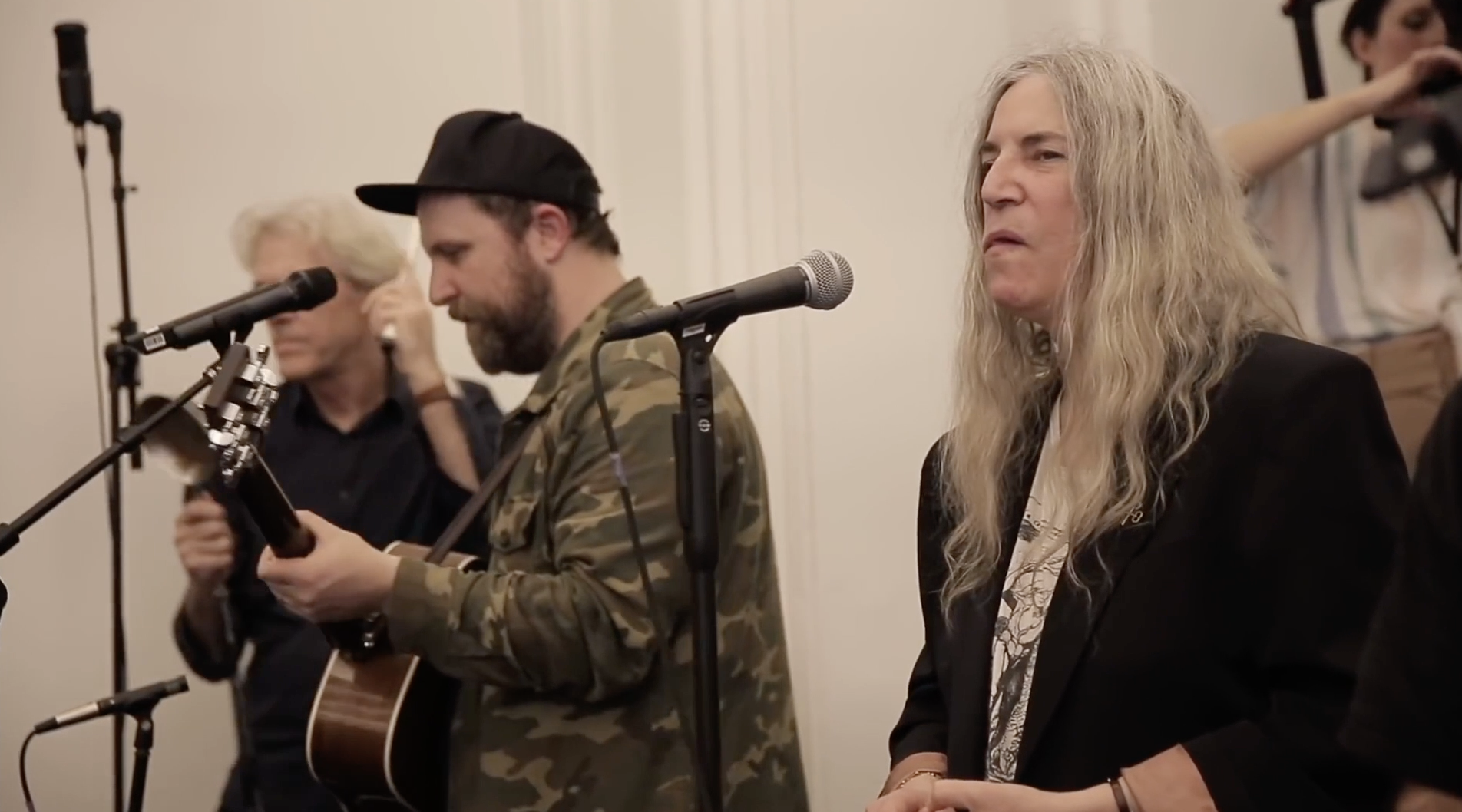
Their version of Patti Smith’s “People Have The Power” undoes me. With gratitude to Choir! Choir! Choir! for granting me permission to share that beautiful performance, it remains for me one of the clearest expressions of what the shared voice can do. Partly because of Patti herself, with all her grave, luminous conviction. Partly because the song has always felt like a spell disguised as a chorus. But mostly because of the sight and sound of ordinary people lending their voices to an extraordinary claim. People have the power. Not as slogan. Not as merch. Not as a chant emptied by repetition. As a felt proposition. As something that has to pass through lungs to become believable. You watch those faces, some confident, some shy, some radiant, some fighting tears, and you understand that the song is not asking them to admire power. It is asking them to become it together.
This matters now. We live in a time of isolated voices, amplified beyond their wisdom. Everyone is broadcasting. Everyone is responding. Everyone is scoring, branding, declaring, defending. The solo voice has become both weapon and shield. We mistake volume for courage, speed for truth, certainty for presence. Yet the choir offers another model. It asks for attunement. It asks for patience. It asks us to enter a shared structure without surrendering our distinctness. It reminds us that the future will not be sung by one flawless voice at the front of the room. It will be made by those willing to listen for the note they are responsible for, and brave enough to offer it when the moment comes.
Maybe this is why I keep returning to choirs when I think about leadership, creativity and change. A good leader is not the loudest singer. A good leader helps others find the pitch that lets them enter. A good designer does not impose a melody on the world. A good designer listens for the hidden harmonies already present in people’s lives and builds conditions for them to be heard. A good culture is not one in which everyone sounds the same. It is one in which difference can become music rather than noise.
The Sad Shepherd in me still understands this. He is still standing there in his borrowed robe, hoping no one sees too much, hoping someone sees enough. He is still moved by the swell. He still wants to believe that sadness can be sung into usefulness, that longing can become structure, that the little gay boy hiding inside a Christmas play can find himself not by stepping forward alone, but by discovering that his voice has a place among others.
Perhaps every choir begins there. With someone who thinks their voice is too small, too strange, too damaged, too much, not enough. Then another voice enters. Then another. A fragile weather forms. The room changes temperature. The air becomes woven. For a few minutes, we remember something older than speech and more generous than opinion. We remember that to be human is not simply to have a voice. It is to lend it, tune it, risk it, blend it, and sometimes let it be carried by others until we are ready to carry them back.
And perhaps the question the choir leaves us with is not whether we can sing. It is whether we are willing to be arranged by one another. Whether we can stand close enough to feel the breath beside us. Whether we can let our separate weather meet in the room and become a climate. Whether we can stop mistaking independence for beauty and remember that the most moving sound a human being can make is rarely the sound of I alone, but the trembling, radiant, many-throated sound of we.
I, Choir.
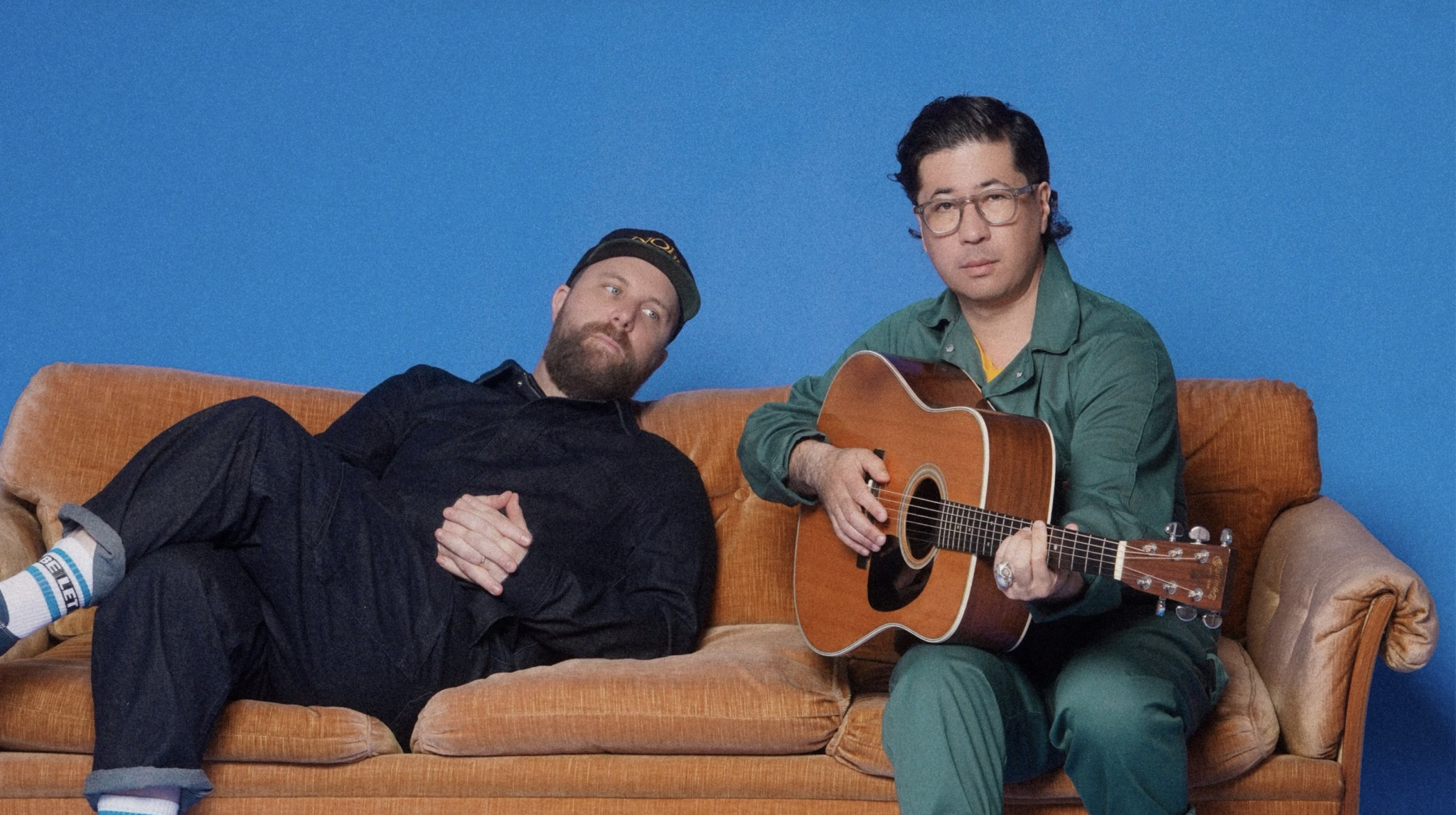
Choir! Choir! Choir! is a joyful, open-hearted singing project founded by Daveed Goldman and Nobu Adilman, built on the simple but powerful idea that everyone has a voice and everyone belongs in the song. Since 2011, they have travelled the world blurring the line between performer and audience, gathering strangers and friends in rooms, theatres, public spaces and unexpected places, then turning them into a choir for one unforgettable night. Their work is less about polished performance and more about the emotional electricity that happens when people sing together, breathe together and find themselves carried by the sound of others. Over the years, they have collaborated with extraordinary artists including Patti Smith, David Byrne, Brandi Carlile, Rick Astley, Rufus Wainwright and even Kermit the Frog, creating videos that have reached millions of people around the world. At its heart, Choir! Choir! Choir! is a reminder that music can be communal rather than distant, participatory rather than perfect, and that a song we thought we already knew can become something much larger when it is sung by many voices at once.
https://www.choirchoirchoir.com/ and https://www.instagram.com/choirchoirchoir/