I, Drift
Leave the door open for the unknown, the door into the dark. That’s where the most important things come from, where you yourself came from, and where you will go.
Before maps lived in our pockets, before a small blue dot could reassure us that we were still somewhere, before every street had been domesticated by satellite and search, I got properly lost in Tokyo. I was there on a business trip, in the years when travel still had a slight crackle of danger to it, not physical danger exactly, but the possibility of disorientation. You could arrive in a city and not understand it. You could stand at a station and not be able to read a single sign. You could turn left instead of right and find yourself, quite quickly, in a version of the world that had no obvious relationship to the one you had just left behind. I had been in meetings all day, the kind of meetings that leave the mind both overfed and undernourished. There had been decks, schedules, taxonomies, frameworks, neatly arranged futures and politely urgent questions. Everything had been moving in straight lines. What is the objective? What is the insight? What is the answer? What is the next step? I remember walking out into the city with my head still full of other people’s words, still trying to solve something, still trying to be useful, smart, efficient, impressive. Then, somehow, I took the wrong exit from a train station.
But what if the useless is not useless at all? What if it is where the deeper pattern is forming? What if the long way round is not a failure of efficiency, but a different kind of knowing? When I think back across my life, the straight lines are easier to explain, but the crooked ones are more truthful. Jobs arrived because of conversations I did not plan. Friendships deepened because of afternoons that went nowhere. Ideas formed in the margins of other ideas. Whole parts of myself emerged not from ambition, but from restlessness, from following a feeling, from walking without quite knowing why.
Restlessness is often treated as a problem to be solved. We diagnose it as distraction, indecision, immaturity, lack of focus. And of course, sometimes it is. There are forms of restlessness that keep us from staying, from committing, from doing the hard and necessary work of attention. But there is another restlessness, more ancient and more useful. The restlessness of the migratory bird. The restlessness of the tide. The restlessness of the artist before language has arrived. The restlessness of a life trying to move toward its next shape before the mind has caught up. That kind of restlessness is not an enemy of depth. It may be one of depth’s first signals.
To drift is to allow oneself to be porous. It is to let the world enter before the intellect has organised it. This is difficult for people who have been rewarded for cleverness, for speed, for synthesis, for being the one in the room who can see the pattern first. I know this because I have often been that person, or tried to be. There is a small violence in constant cleverness. It forces the world to become legible too quickly. It mistakes naming for knowing. It turns sensation into language before sensation has had time to do its deeper work.
Tokyo taught me something else. It taught me that not understanding can be a form of attention. When I could not read the signs, I began to read posture, rhythm, light, silence, pace. When language failed me, I noticed hands, thresholds, rituals, how people stood in line, how food was offered, how shopkeepers arranged small objects with almost devotional care. My mind, deprived of its usual tools, softened. It stopped translating and started receiving.
Perhaps that is why travel mattered so much before the phone made us omniscient. To be lost was to be humbled. To be lost was to remember that the world was larger than your competence. You could not instantly search your way out of mystery. You had to stand inside it for a while. You had to let your body become the instrument. You had to choose a street for no reason other than the light looked interesting, or the smell of broth seemed promising, or the sound of laughter came from somewhere around the corner.
I sometimes wonder what has happened to our inner lives now that we are so rarely lost. We have gained so much, of course. Safety, ease, fluency, access. I am not nostalgic for helplessness. But I do wonder what disappears when every journey is pre-rendered, when every uncertainty is flattened into instruction, when the possibility of wrong turns is designed out of experience. Because wrong turns have made me. They have made my work, certainly. The best ideas are often not approached head-on. They are glimpsed from the side, like animals in a forest. Try to trap them and they vanish. Create the conditions and they come closer.
A good idea often needs you to stop staring at it. It needs the long walk, the idle doodle, the bad first thought, the conversation that appears irrelevant, the book you picked up for no reason, the song that returned you to a room you had forgotten you had lived in. The subconscious is not a machine we can command, but it is a landscape we can tend. We can give it time, images, contradictions, encounters, weather. We can give it drift. We can let it sort and sift while we appear, to the world and perhaps even to ourselves, to be doing very little at all.
This is perhaps one of the great creative challenges of our age. We are living through a culture of acceleration at precisely the moment when our deepest thinking may require deceleration. The systems around us increasingly reward immediacy. Ask and receive. Search and know. Prompt and generate. Swipe and decide. There is a thrilling usefulness to this, and I am not immune to it. I love tools that extend the mind. I love speed when speed is needed. But I also know that not all answers should arrive instantly. Some need to ripen. Some need to trouble us. Some need to pass through the body before they can become thought.
The linear mind is magnificent. It builds bridges, diagnoses illness, files taxes, lands planes, writes contracts, gets dinner on the table. But the lateral mind is where much of our humanity lives. The lateral mind associates, dreams, remembers, mishears, connects, loops, wanders, returns. It is where a childhood smell becomes a product idea. Where a Japanese side street becomes a theory of creativity. Where grief becomes a book. Where a business problem becomes, suddenly and strangely, a human question. To drift is not to abandon direction forever. It is to remember that direction is sometimes discovered, not imposed.
That night in Tokyo, I eventually found my way back. I cannot remember how. Perhaps I found a taxi. Perhaps I stumbled upon a station. Perhaps someone helped me. The resolution has disappeared, which tells me it was never the important part. What remains is the sensation of surrendering to the city, of letting it move through me without needing to possess it. I remember the hum of electricity. The small bowls of light above doorways. The smell of rain on warm concrete. The embarrassment gives way to curiosity. The loneliness becomes spacious. The realization that I had not been wasting time. I had been entering a different kind of time.
This, to me, is drift. Not escape. Not avoidance. Not aimlessness as a permanent condition. But a temporary liberation from the demand that every step justify itself in advance. Drift is the permission to follow the edge of a thought before it has a name. To walk until the mind unclenches. To let the day become porous. To allow the useless to gather its secret usefulness. It is the willingness to stop insisting that every movement be explained by a destination and to remember that the journey is not the interval before meaning begins. Very often, it is where meaning is made.
We speak so often about finding our path as if it were a road already waiting for us, straight and lit, somewhere ahead. But perhaps a path is not always found by looking forward. Perhaps sometimes it is made by wandering. By taking the wrong exit. By following the lanterns. By being foreign to ourselves for a while. By letting the world confuse us just enough that we become available to it again. There are days when the most important thing we can do is not press harder, not sharpen the question, not accelerate toward an answer, but loosen the hand, soften the gaze, and let the mind wander beyond the borders of its own certainty.
The older I get, the more I trust the meander. Not as a substitute for discipline, but as its necessary companion. A life cannot be all drift. But a life without drift becomes brittle, over-determined, airless. It forgets that becoming is not always an achievement. Sometimes it is an accumulation of apparently useless hours. A walk. A pause. A lost evening in a city whose language you cannot read. A thought that refused the straight road and found, by some other means, its way home.
Perhaps the question drift leaves us with is not whether we know where we are going. It is whether we can still allow ourselves to be changed on the way there. Whether we can loosen our grip on the map long enough to notice the alley, the weather, the stranger, the smell of soup, the thought arriving from the side. Whether we can trust, even briefly, that not all who wander are avoiding the path. Some of us are finding it.
I, Drift
A note from the spectacularly talented Chantal Matar, my collaborator on this piece:
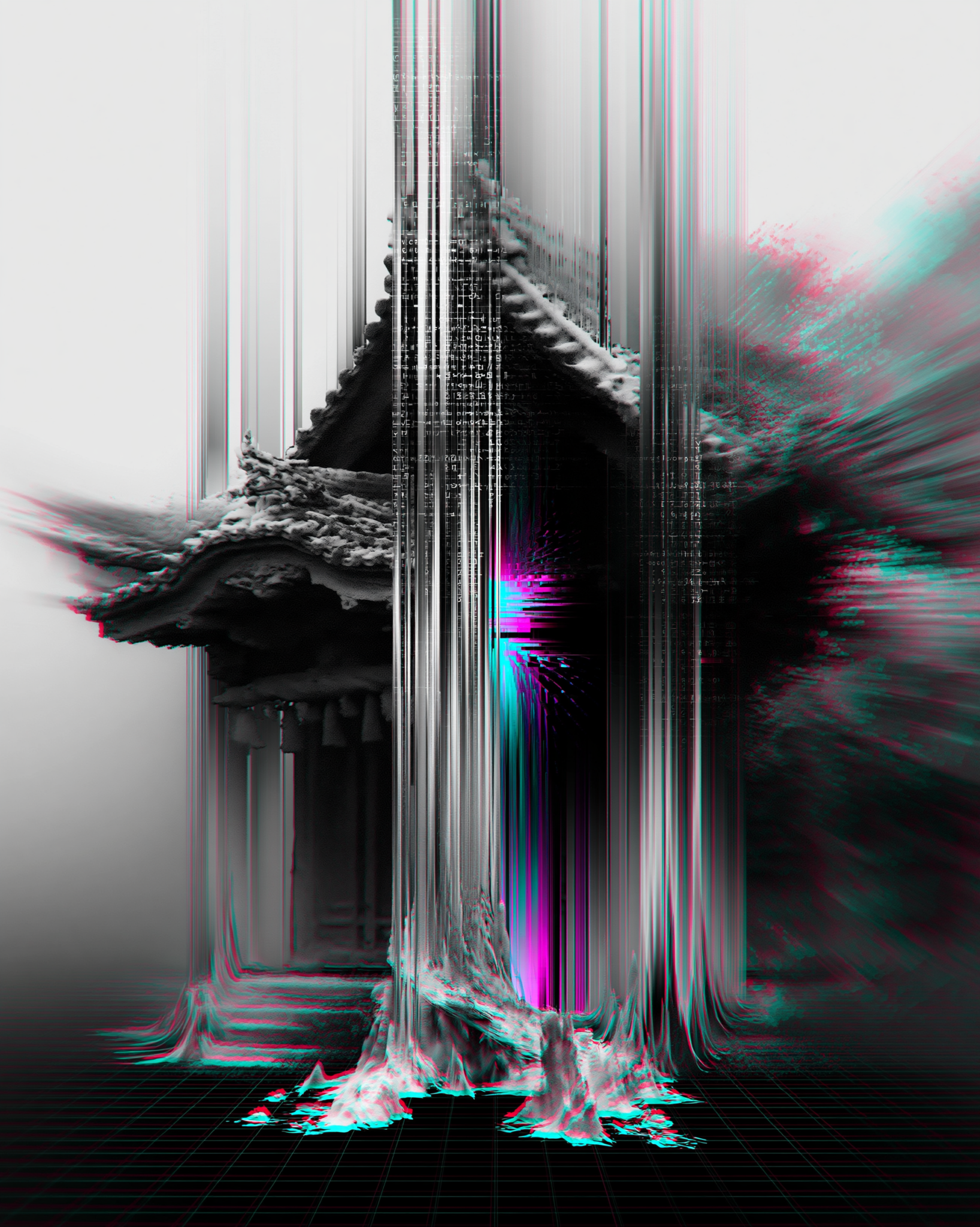
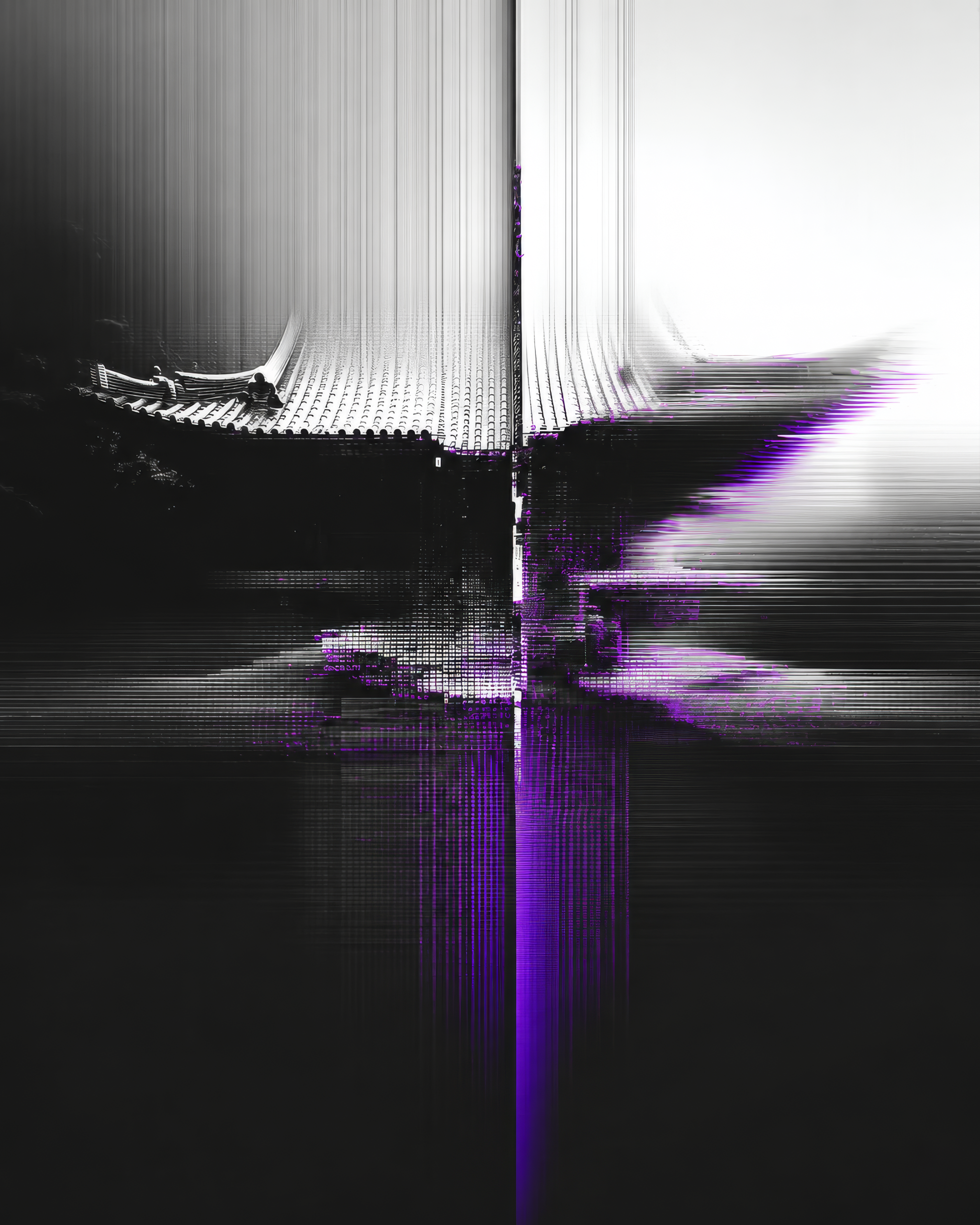
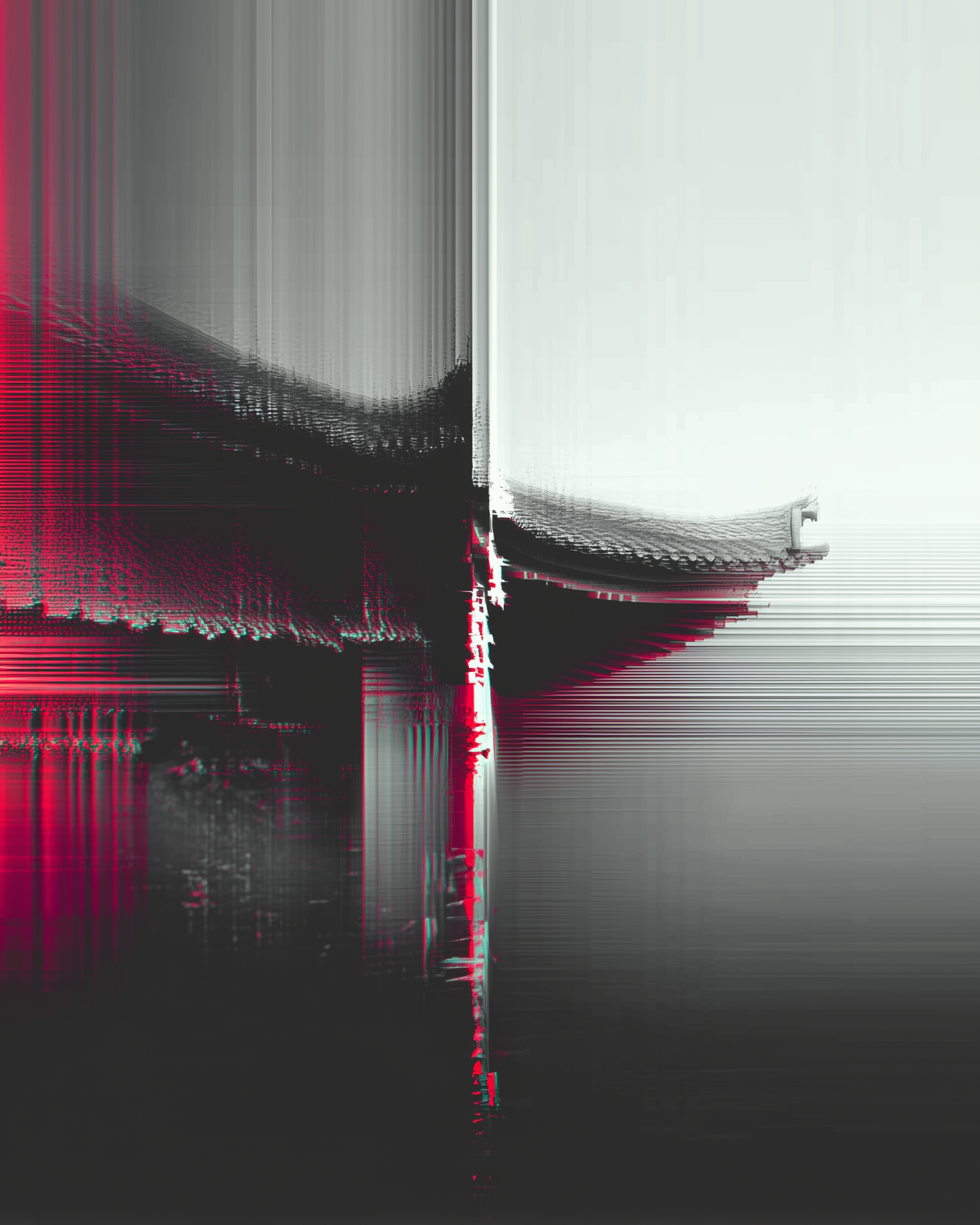
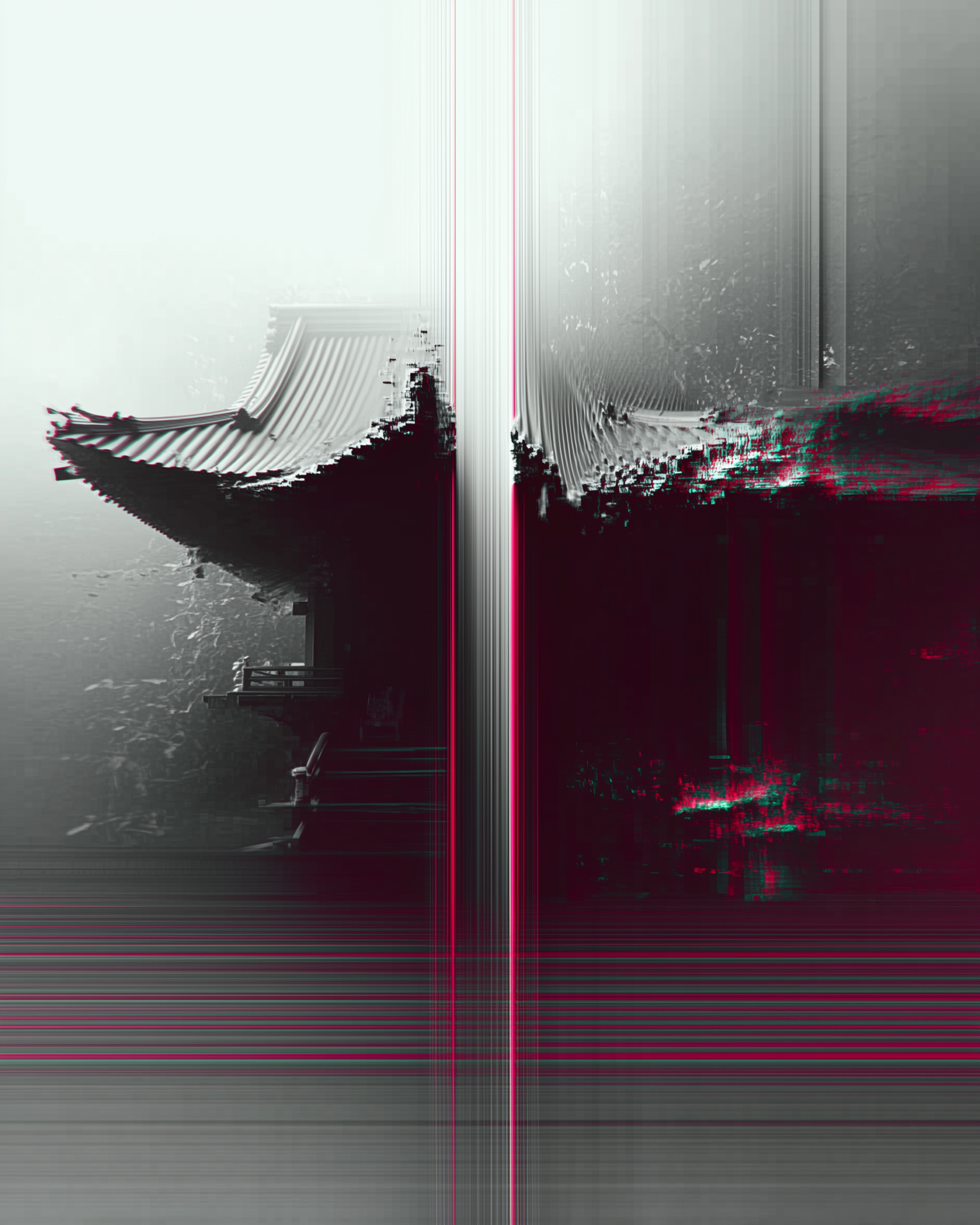
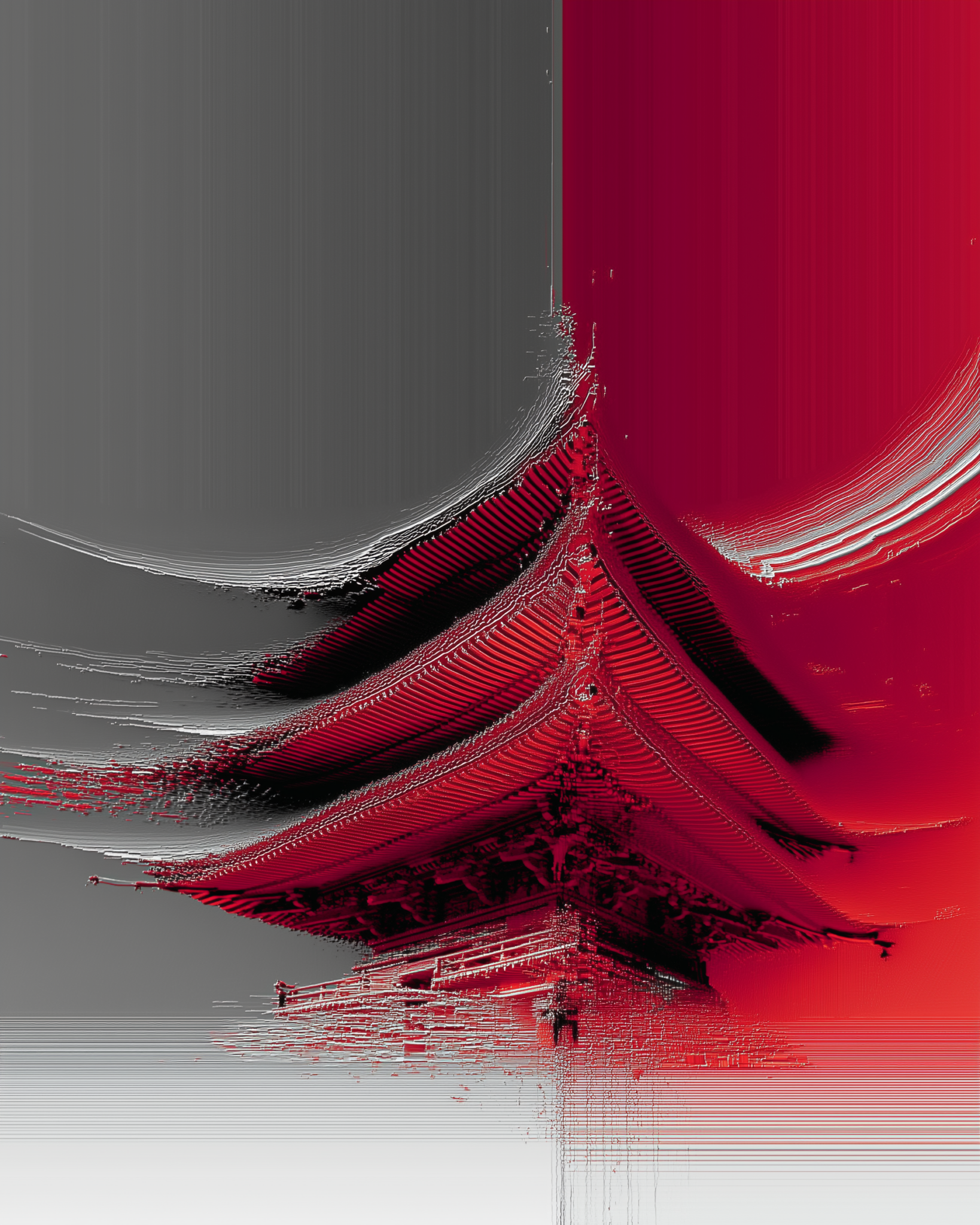
These simulations explore drifting spaces between dream, memory and reality. Suspended states where architecture, atmosphere and motion begin to dissolve into one another. Coming from an architectural background, I often imagine buildings and spaces as unstable environments: part memory, part experiment, part physical system. The works move through ideas of fluidity, disintegration, time and perception, where space is no longer fixed but continuously shifting between states.