I, Fall
“Don't you love New York in the fall? It makes me want to buy school supplies. I would send you a bouquet of newly sharpened pencils if I knew your name and address.”
For twenty-four years, Jim and I lived in Montauk, at the very end of Long Island, in a place where the land eventually gives up trying to be land and surrenders itself to water. The Atlantic is on one side, Block Island Sound on the other, with bays and ponds and inlets scattered between them, so that wherever you stand you are never very far from something reflecting the sky back at you. Painters have always known there is something peculiar about the light at the ends of things. Cornwall has it. Gotland has it. Cape Cod has it. Iceland has it in an entirely different register. Montauk has it too. The light seems less interrupted there, as though it has travelled a very long way across the ocean and arrives exhausted of everything except itself. In summer it can be almost blue-white, bleaching the clapboard houses and flattening the dunes, making the sea glitter so fiercely that you have to turn your head away. And then, every year, something happens. Not gradually, although of course scientifically it must be gradual. Not on the equinox, nor on Labor Day, nor on the morning someone puts pumpkins outside the farm stand. It happens on a date known only to itself. Jim or I will walk outside in the morning and one of us will say: “Fall is here.” The other will look around for perhaps half a second and say, “Yes.” There is never any debate. Something in the air has altered at what feels like a molecular level. The blue has acquired a little yellow. The shadows have lengthened by an amount too small to measure but large enough to feel. The air touches your forearm differently. Even sound seems to have moved a fraction farther away. Autumn may still be weeks off, but Fall has arrived.
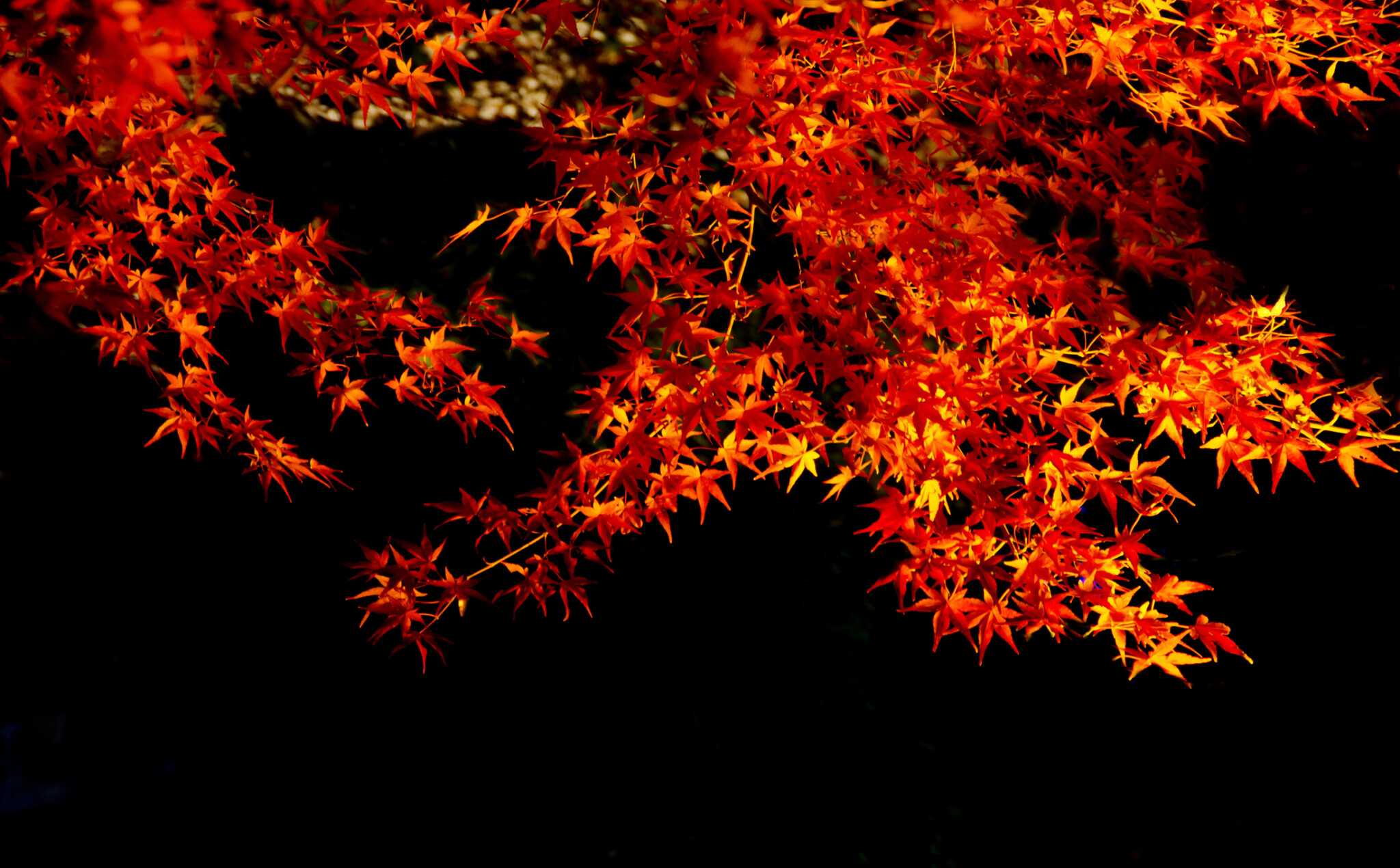
It still happens now, in Denmark. Different sea, different latitude, different trees, different birds gathering themselves in different fields, but the same recognition. One morning the light comes through the windows and falls across the floorboards with a particular goldness and we know. I have come to think that autumn and Fall are two quite separate things. Autumn is a season. It has dates and temperatures and meteorological definitions. It can be charted, forecast, photographed and sold back to us in the form of cinnamon candles. Fall is a mindset. More than that, perhaps it is a bodily intelligence. It is the moment when some ancient part of us registers that the world has begun to turn inward and suggests, very gently, that we might do the same. The curious thing is that I never experience this as melancholy. There is sadness in it, certainly, because the long evenings are beginning to contract and another summer is preparing to become memory. But beneath the sadness is something much more energising. Fall makes me want to make things. It makes me want to clear the desk, sharpen the pencils, find the notebook I abandoned in June, cook something slowly, read something difficult, begin again. Summer disperses me. Fall gathers me back together.
I wonder whether creative people are particularly susceptible to this. We talk a great deal about circadian rhythms in relation to sleep, hormones, digestion, body temperature and mood, but considerably less about circadian creativity, the possibility that imagination has weather of its own and that it too responds to light. We are, after all, photosensitive animals who have managed to surround ourselves with electric bulbs and glowing rectangles and then convince ourselves that the sun is largely decorative. Yet light is continually telling the body what time it is, not simply the time on the clock but the time in the year. The angle of it changes. Its colour changes. The length of exposure changes. Morning arrives later. Evening withdraws earlier. Melatonin, cortisol, alertness, appetite and sleep begin their subtle seasonal negotiation, and it seems strange to imagine that creativity alone would sit apart from all this, sealed in some fluorescent office, unaffected. Perhaps imagination has its own migration patterns. Perhaps certain ideas arrive because the light has changed enough for us to see them.
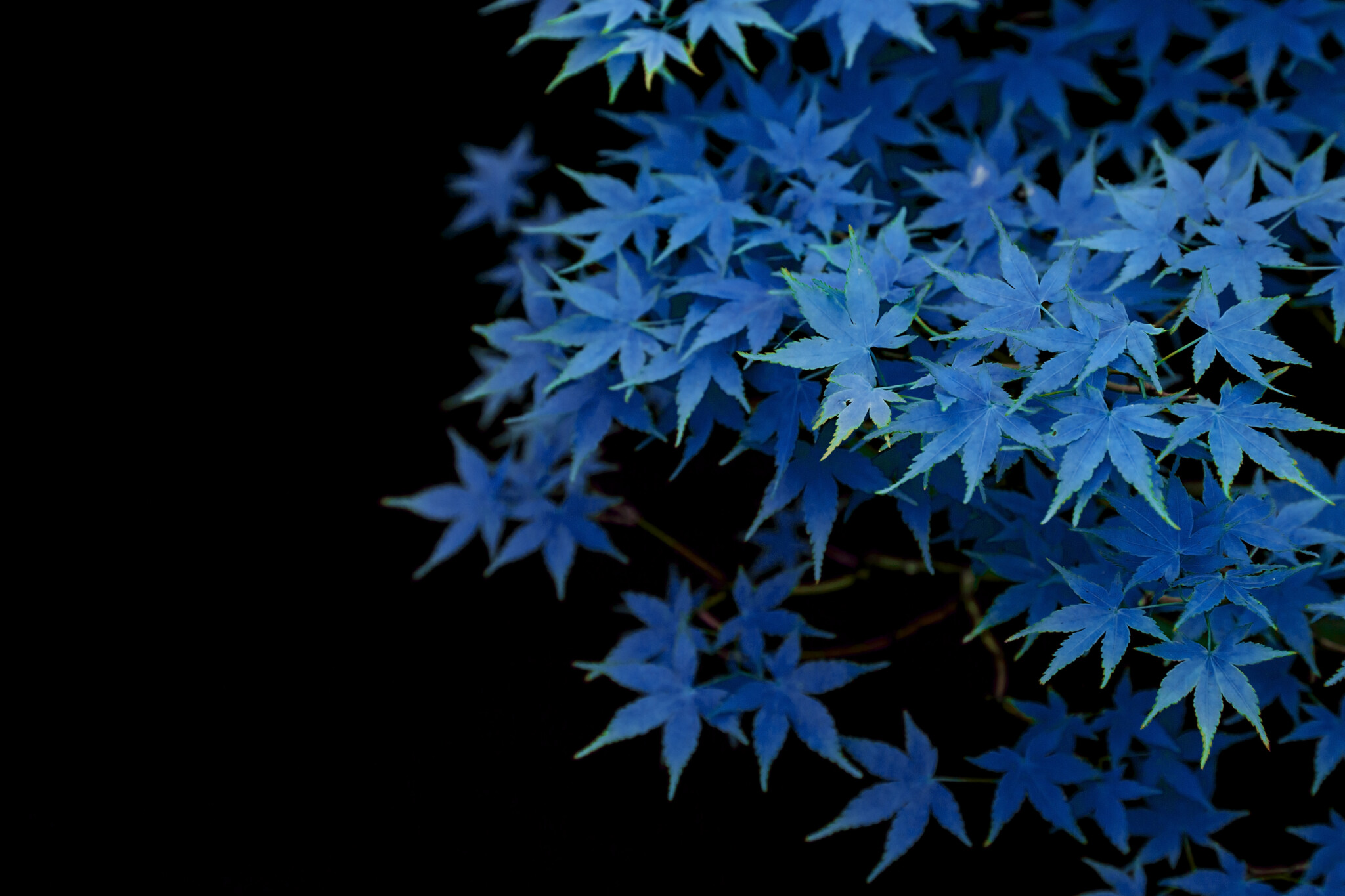
There is a physical sensation I associate with Fall that is difficult to describe without making it sound more mystical than it is. It is a slight quickening. A feeling of wanting to get home. Not home necessarily as a building, but home as an interior state. Summer asks us to extend ourselves into the world. Doors are open, meals move outside, shoes disappear, people travel, gardens demand attention, evenings seem infinitely expandable. Summer is centrifugal. It sends us outwards. We become social, porous, available. Fall reverses the direction of travel. Windows close. Lamps come on earlier. Food becomes warmer. Clothes regain weight. The room begins to matter again. You notice the chair beside the window and remember that you once liked sitting there. Books seem to call more loudly from their shelves. The world is not closing down so much as closing in, concentrating itself. And perhaps that concentration is important. Creativity needs exposure, certainly, but it also needs enclosure. It needs the gathering and then the processing, the summer and then the Fall.
I learned something about this from Iceland, where the seasons are not polite background decoration but substantial presences in daily life. Winter there does not merely lower the temperature. It changes the architecture of the day. Darkness becomes a material you live inside. The house acquires an importance it simply cannot have in June, when the sun barely leaves and midnight feels like late afternoon. Icelanders have an extraordinary creative output for such a small population, particularly in music and literature, and much of it emerges into public view in spring, after the long winter has done its work. Albums appear. Books arrive. Exhibitions open. Things that have been composed, written, rehearsed, knitted together and worried over in the dark are suddenly released into lengthening days. We tend to celebrate the spring part of that story because spring is photogenic. Spring is emergence, birth, blossom, launch. But I wonder whether the creative act actually began much earlier, on some unrecorded morning in September when the light changed and the body understood what was coming.
Perhaps Fall is not the beginning of the end at all. Perhaps it is the beginning of the beginning.
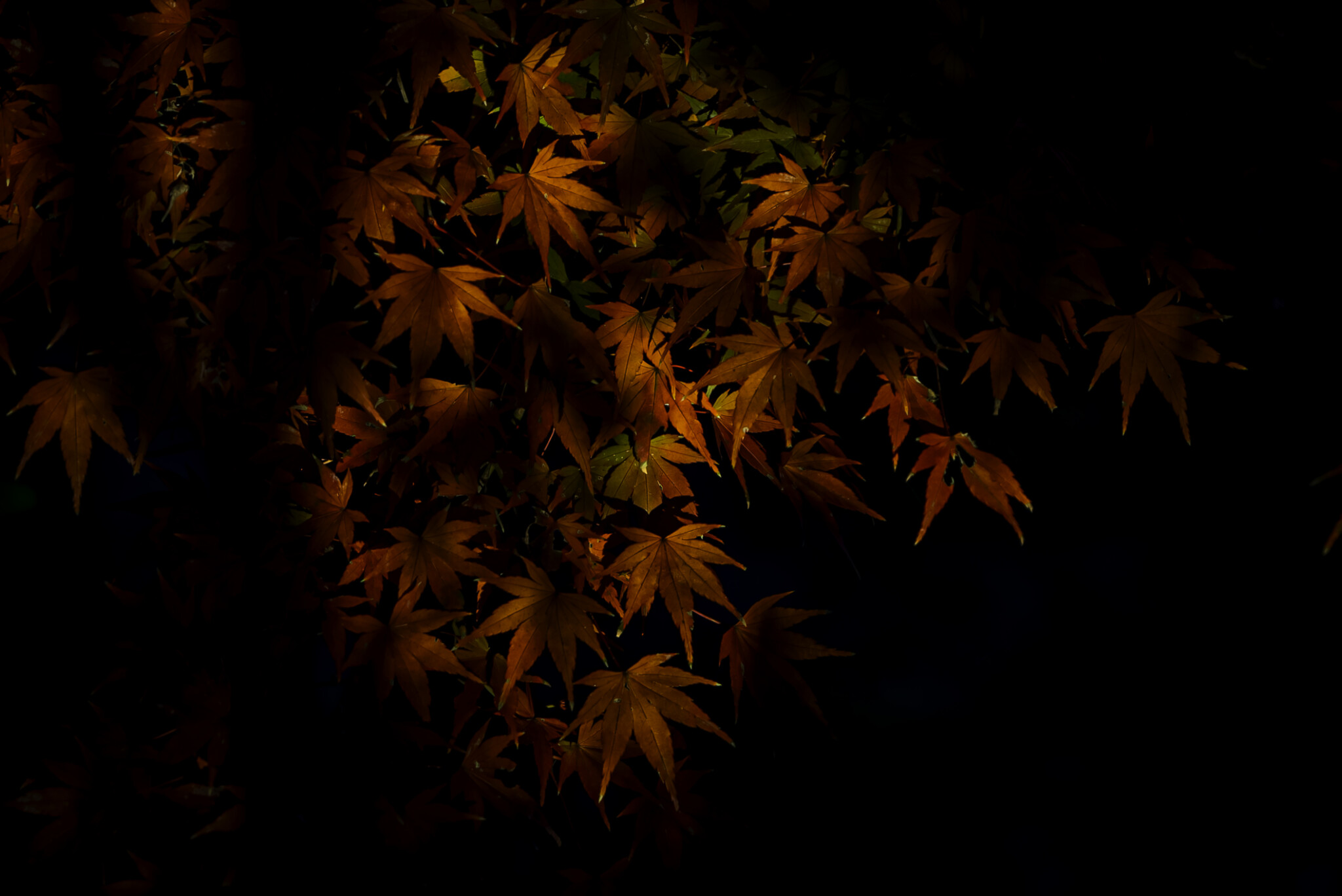
The agricultural metaphors are almost too easy, but they persist because they are true. We like to imagine creativity as perpetual flowering, one bright idea after another, an endless summer of Post-it notes and launches and applause. Nature has no interest in such nonsense. A field that flowered continuously would exhaust itself. An apple tree does not regard January as a disappointing quarter. There are periods of visible production and periods when the important work is happening somewhere we cannot see. Roots thicken. Energy is stored. Old growth is discarded. Seeds sit in cold soil requiring, in some cases, the cold itself before they can germinate. The creative mind may need something similar. We need periods when our productivity becomes less visible, when thoughts are allowed to compost rather than being hurried immediately into presentation decks. Fall may be the signal that gives us permission to do this, not to stop creating but to change the location in which creation occurs.
This makes me wonder about our obsession with consistency. The modern working world has been designed largely to abolish seasons. The office is twenty-one degrees in January and twenty-one degrees in July. The light is the same at nine in the morning as it is at four in the afternoon. Digital work has gone further, creating an environment in which Tuesday in Copenhagen can feel remarkably similar to Tuesday in Singapore. We celebrate frictionlessness, which often means removing precisely the sensory information that tells us where and when we are. Yet creativity may depend upon friction, variation and thresholds. A room feels different when the first lamp of the afternoon has to be switched on. A wool sweater changes the way the body occupies a chair. Rain against glass produces a different quality of attention from sunlight on a terrace. These are not sentimental details around the edges of creative work. They may be part of the machinery of it.
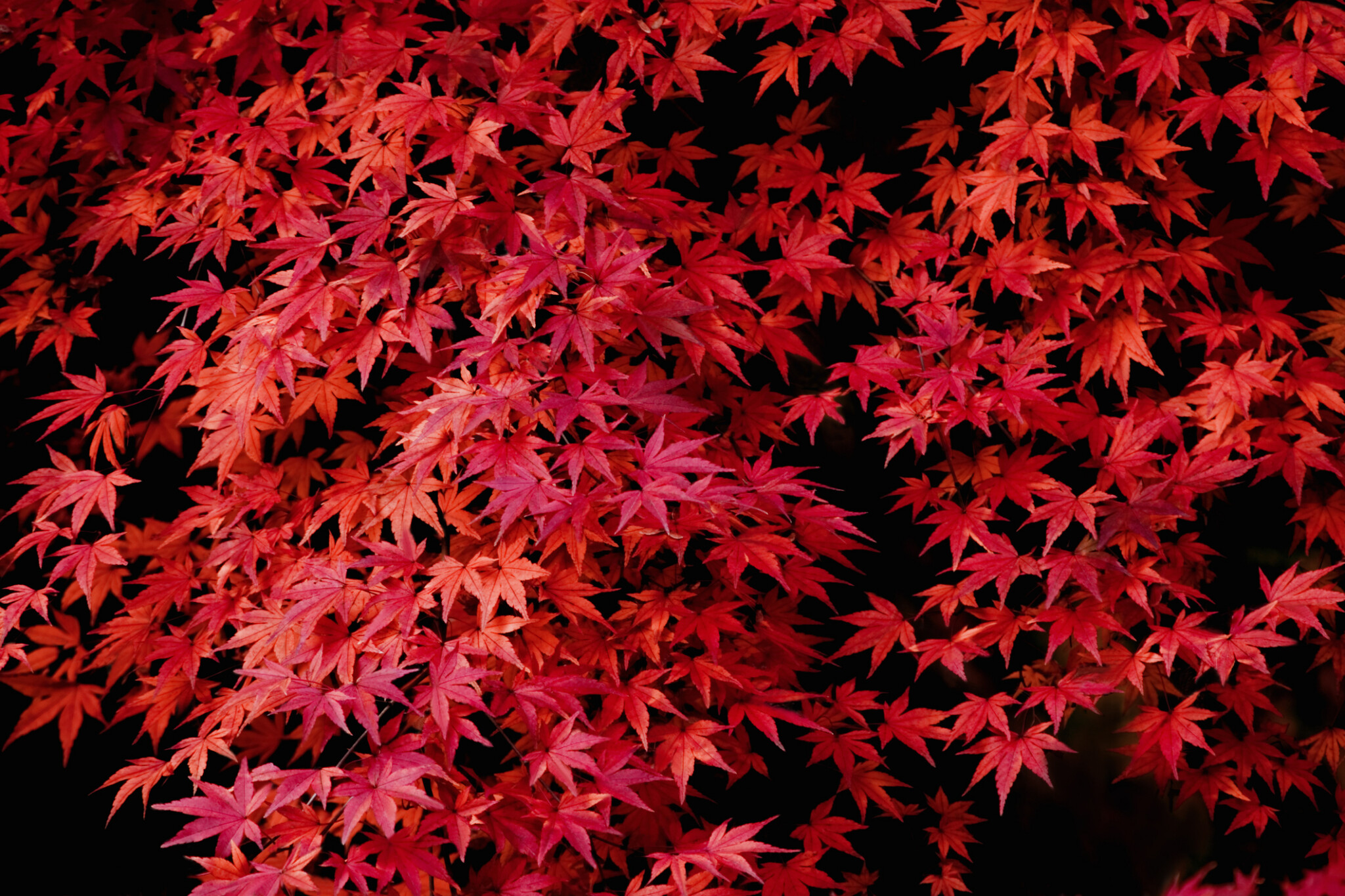
Design has spent the last century becoming extraordinarily good at controlling environments. Perhaps it might now become better at allowing environments to control us. Imagine workplaces that acknowledge seasonal light rather than defeating it, schools that understand that attention in November may not resemble attention in May, creative processes designed around periods of expansion and contraction rather than a uniform demand for output. We have designed artificial daylight to keep people productive; perhaps we should also design artificial dusk to help people imagine. There may be value in rooms that become warmer and more enclosed as the year turns, in materials that change, menus that shift, rituals that mark the first shortening afternoon. Not because everyone should become a romantic Scandinavian staring wistfully through a rain-streaked window, but because bodies notice things long before organisations do. Good design has always begun with noticing the body.
And perhaps creative people notice a little sooner. I hesitate to romanticise this because the mythology of the sensitive creative is already tiresome enough, but sensitivity is, in the end, what much creative work requires. A designer notices that a handle is fractionally uncomfortable before anyone has complained about it. A writer hears the awkwardness in a sentence other people read straight through. A musician detects a tension that exists between two notes. A cook knows the peach is ready by pressing a thumb against it. These are tiny acts of attention. Creativity often begins not with having a bigger idea but with detecting a smaller change. If you spend your life training yourself to notice what is almost imperceptible, why would you not notice the year turning before the calendar does?
That morning in Montauk was a kind of design research, although I would never have called it that. The evidence was everywhere and nowhere. A slant of sunlight across the kitchen. The smell of the grass. The first coolness at the bottom of the garden. The absence of a sound you had not realised you had been hearing all summer. The ocean taking on a darker blue. Nothing had happened and everything had happened. The information arrived not as data but as atmosphere. Jim and I had somehow reached the same conclusion independently because we were both reading the same collection of microscopic signals. “Fall is here.” Three words containing an entire environmental analysis.
I think we underestimate atmosphere because it is difficult to put into a spreadsheet. Yet atmosphere is one of the principal materials with which designers, artists, writers, cooks, filmmakers and musicians work. We are constantly arranging light, texture, sound, temperature, rhythm and space in order to make another human being feel something before they can explain why they feel it. A restaurant can make you relax before you have tasted the food. A piece of packaging can make something feel precious before you know its price. A room can encourage conversation or kill it. A song can return you to a place you have not thought about for thirty years. The most powerful design often works exactly as Fall does: something has changed, you cannot immediately identify what it is, but your body knows.
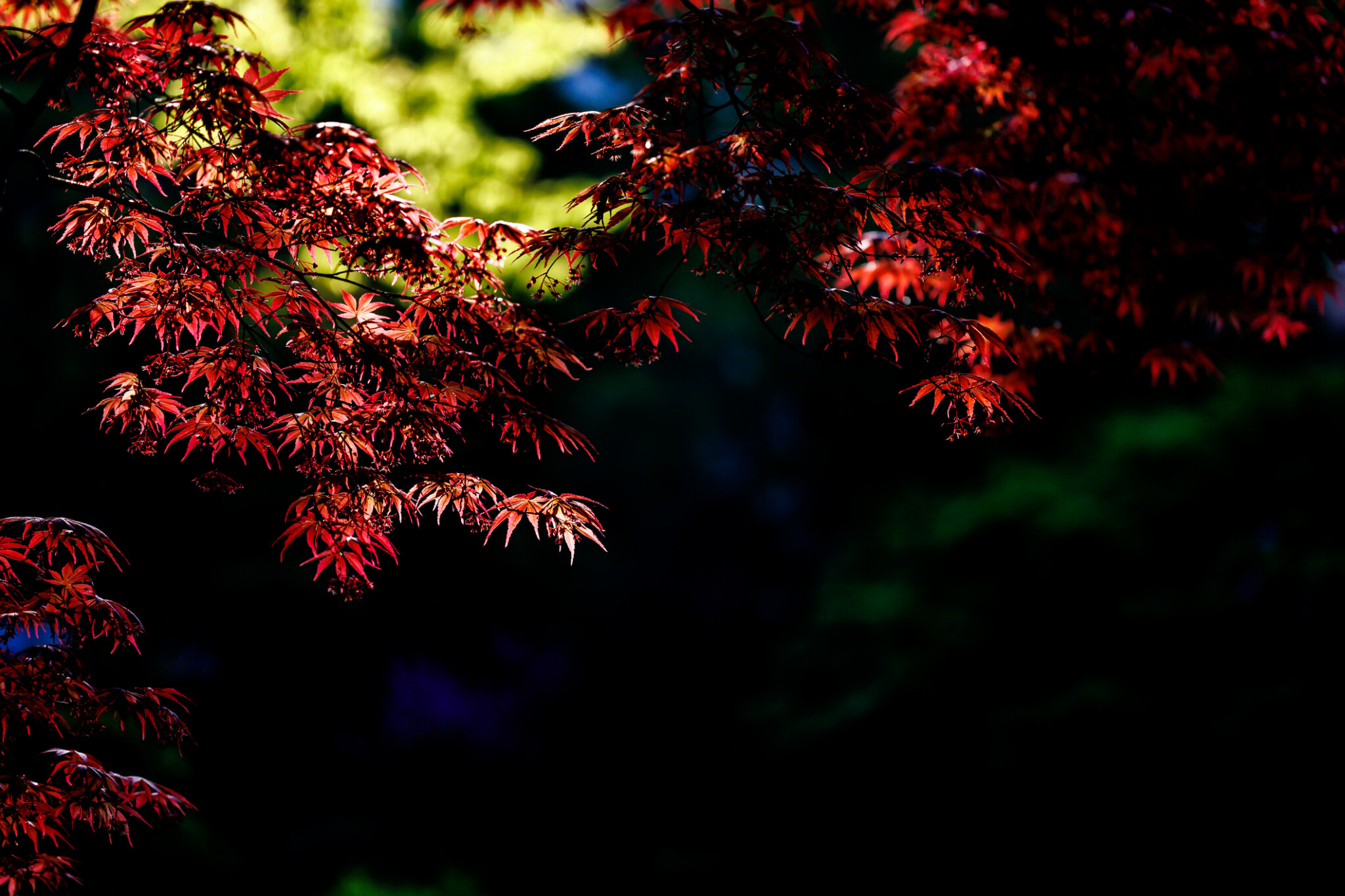
This may be why Fall makes such fertile creative territory. It heightens awareness of transition. Summer is declarative. Winter is declarative. Fall is becoming. It is a season of almosts. Almost cold enough for a coat. Almost dark at dinner. Almost time to bring the plants in. Almost time to light the fire. The leaves themselves become visible because they are in the process of ceasing to be leaves. Everything is changing state. Creative people live professionally in this uncomfortable territory between what something is and what it might become. We are drawn to the unfinished, the transitional, the thing that has not yet found its final form. Fall surrounds us with that condition.
There is another reason I love it. Fall restores the possibility of longing. Summer gives generously, sometimes so generously that there is almost nothing left to want. Light, warmth, fruit, flowers, evenings, skin, sea, all of it is there in abundance. Fall begins to remove things. The first jacket. The first closed window. The first evening when eating outside is no longer quite pleasurable enough to justify the effort. With each small withdrawal, desire returns. We begin to imagine what we might make in the space that summer leaves behind. Creativity has always had an intimate relationship with absence. A blank page is an absence. So is an empty room, an unresolved problem, a silence waiting for music. We make things partly because something is missing.
So now, in Denmark, I wait for that morning. It will not necessarily be cold. The trees may still be green and the weather forecast may insist upon another week of summer. But I will walk into the kitchen and notice that the light has changed. Perhaps Jim will notice first. One of us will look outside and say the words we have been saying to each other for decades, carried from one watery edge of the world to another. “Fall is here.” And for a moment I will feel Montauk again, the ocean beyond the dunes, the great blue-white blaze of July beginning to soften into gold. I will also feel something turning inside me, almost too small to name. A desire to withdraw, but not to disappear. To gather rather than scatter. To take everything the bright months have given me and bring it indoors.
Maybe that is what Fall has been telling us all along. Creation does not always begin with a burst of light. Sometimes it begins with light leaving. The world dims by a fraction and, in response, something inside us illuminates. We close the door, turn on the lamp, pull the chair a little nearer to the table and begin.
I, Fall