I, Feel
“The landscape of the soul is as varied as the landscape of the earth.” - John O'Donohue

There are days when emotion arrives the way weather does.
Not the theatrical storms we so easily name. Not the thunderclaps of anger or the bright blue certainty of happiness. Something more subtle than that. Something that slips into the day with the delicacy of mist rising from a field before the sun has fully touched it. You wake and there is already a feeling present in the room. It hangs in the air like a faint barometric pressure system moving across the inner horizon. Not sadness exactly. Not joy either. Just a shift in atmosphere somewhere behind the ribs.
English is not always the best language for naming this kind of weather. Our emotional vocabulary behaves a little like a simplified forecast chart: sunny, rain, cloudy, storm. Useful perhaps, but incomplete. It tells us something about the color of the sky while ignoring the textures of the air itself. The slow gathering of fog along a river. The silver light that appears before evening rain. The strange warmth that settles across a landscape after a long day of wind.
Our inner lives, however, are filled with these subtleties. Entire emotional climates move through us every day and yet we often lack the language to describe them. The truth is that emotion is far more textured than our usual vocabulary allows.
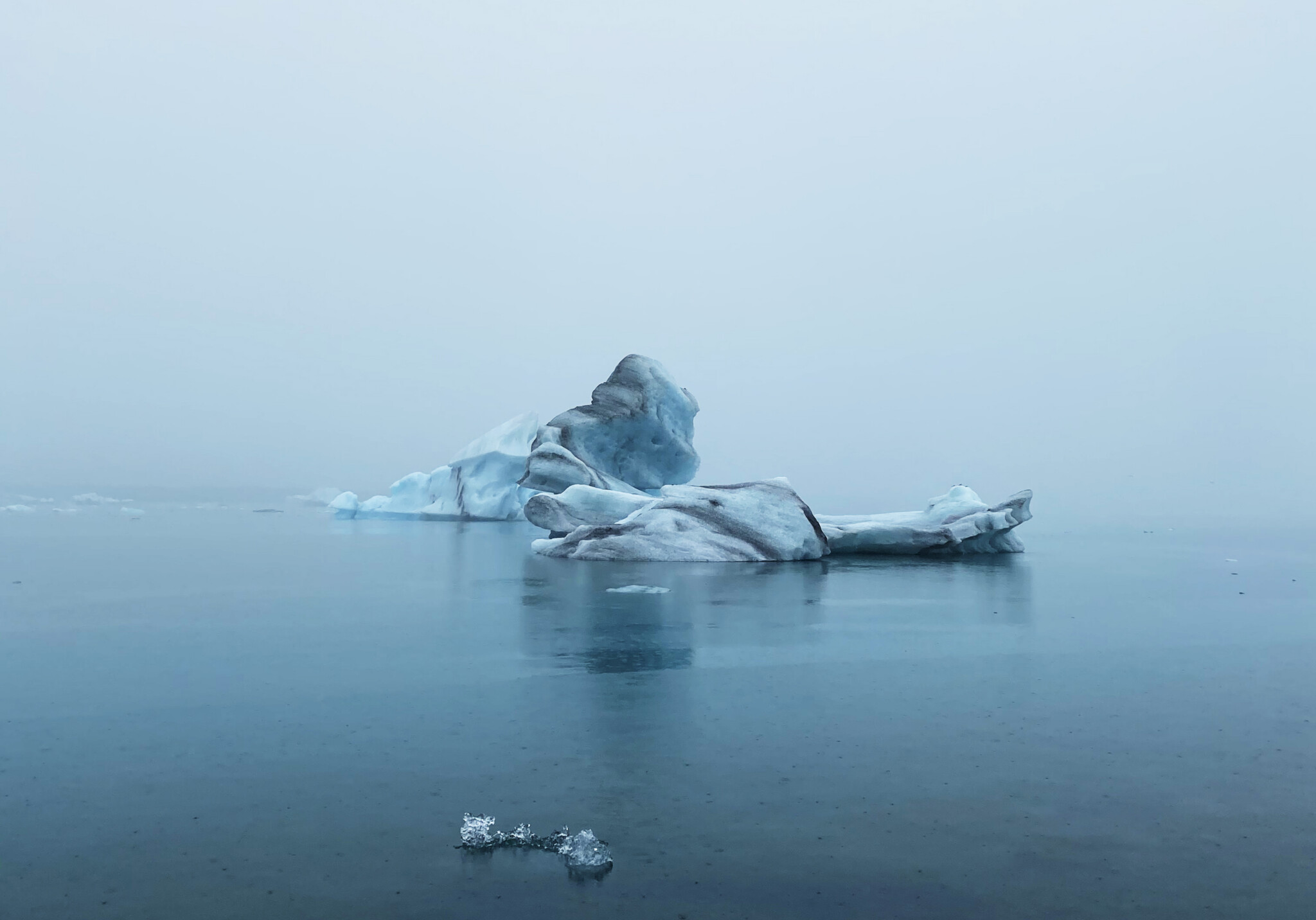
The interior world behaves less like a list of feelings and more like a landscape. There are valleys of tenderness where conversation softens and time begins to move more slowly. There are long plains of quiet contentment that stretch across an afternoon without demanding attention. There are ridgelines of anticipation where something new seems just about to appear. And there are steep cliffs of longing where memory leans out toward something that no longer exists.
Language, in this sense, is a map.
In one of my favorite books, The Geography of Bliss, writer Eric Weiner travels the world trying to understand why certain places seem to nurture happiness more readily than others. In it, he explores whether happiness itself has geography. Certain cultures cultivate it the way others cultivate vineyards or olive groves. Some places nurture conviviality and laughter, while others seem to generate restlessness, ambition, or contemplation as naturally as prevailing winds. What he found was that emotion does not exist only inside individuals; it gathers in landscapes, in traditions, and in the invisible atmospheres created by culture.
If happiness has geography, then surely the rest of our emotional lives do as well. And every culture has drawn that map differently.
Some emotional maps are sparse, marked only with the most obvious peaks and rivers. Others are filled with delicate detail, tracing hidden inlets and lowland valleys where particular kinds of feeling tend to gather. When you begin to wander through the vocabularies of the world, you realize that human beings have been carefully charting these emotional territories for centuries.
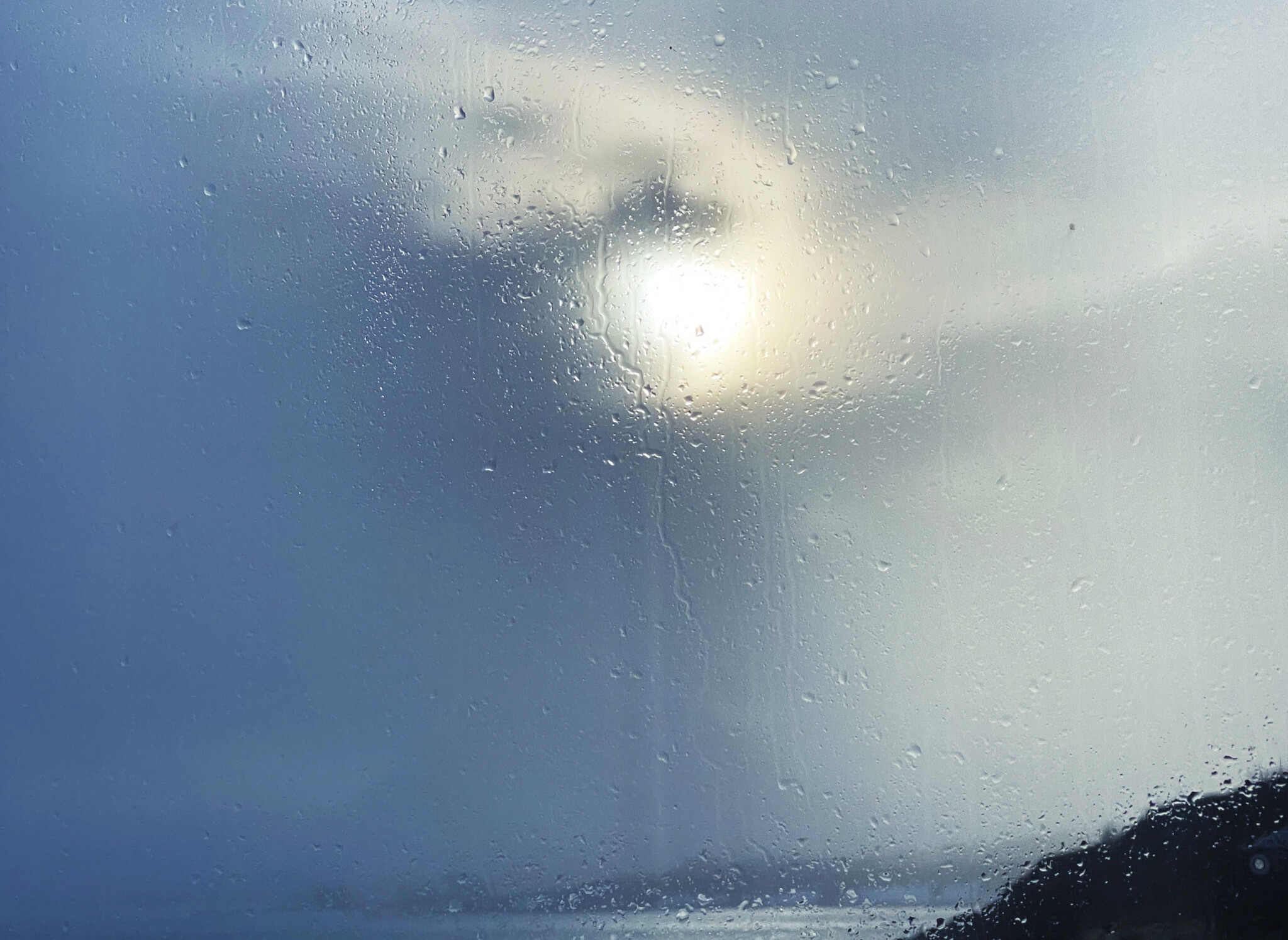
Take the Filipino word kilig. It describes the flutter that moves through the body when affection suddenly reveals itself. The quickening pulse when someone you admire says something unexpectedly kind. The shy, involuntary smile that appears before thought has had time to intervene. Anyone who has ever fallen in love recognizes the sensation instantly, yet English tends to circle around it with awkward descriptions. Butterflies in the stomach. A crush. A thrill.
The Filipino language simply places a small symbol on the map and says, here, this clearing exists.
A word that I have loved for years, thanks to the music of Cesaria Evora, appears in Portuguese. Saudade, or sodade in her native Cape Verdean Creole, often arrives in the evening when the light has begun to soften and the day loosens its grip on the world. A song drifts through the room that you have not heard in years. A memory surfaces of someone who once moved through your life with the quiet familiarity of breath. Saudade is frequently translated as longing, but longing suggests urgency, a reaching toward something that might still be recovered. Saudade is gentler than that. It is the presence of absence. A warmth left behind by something beautiful that has already passed through your life and continued on its way.
Travel further east and the Japanese phrase mono no aware appears on the map. It describes the tenderness we feel when we notice the impermanence of things. Cherry blossoms drifting down in the first warm wind of spring. A child who suddenly seems taller than they were only yesterday. A season closing quietly behind us before we realized it was ending. There is sadness in this awareness, but it is a poetic sadness braided together with appreciation. The recognition that beauty becomes more vivid precisely because it cannot remain.
Across the Arctic there is the Inuit word iktsuarpok, describing the restless anticipation of waiting for someone to arrive. It is the emotion that sends a person outside again and again to check whether a figure has appeared on the path yet. Hope leaning forward into the wind.
In Papua New Guinea, the Baining people speak of awumbuk, the strange heaviness that settles inside a house after guests depart. The laughter fades. Chairs remain slightly out of place. The energy that filled the room only hours before dissolves, leaving behind a soft cloud of absence. Traditionally bowls of water are placed around the house overnight to absorb this lingering feeling.
What an extraordinary act of emotional awareness that is, to notice the weather of a room after connection has passed through it.

Further north, in Iceland, where we lived for four years, there is another word that feels as though it has grown directly out of the landscape itself: söknuður.
It describes that distinct sense of longing for someone or something that is absent. Not quite grief. Not exactly nostalgia. Something steadier than either of those. Imagine standing beside the sea at dusk while the horizon dissolves slowly into mist. A person you once loved stood there with you once. They are not there now, and yet the memory of their presence remains in the air like warmth lingering in stone after the sun has gone down. That feeling is söknuður. A tide of memory moving gently through the present.
And of course, here in Denmark there is the word that glows softly in winter darkness: hygge. It is often translated as coziness, but now, having lived here for a few years, I feel the translation is thin beside the experience itself. Hygge is the warmth of belonging made visible. Candlelight against the window while the wind moves outside. Conversation that stretches across an evening without anyone noticing the hour. It is emotional shelter.
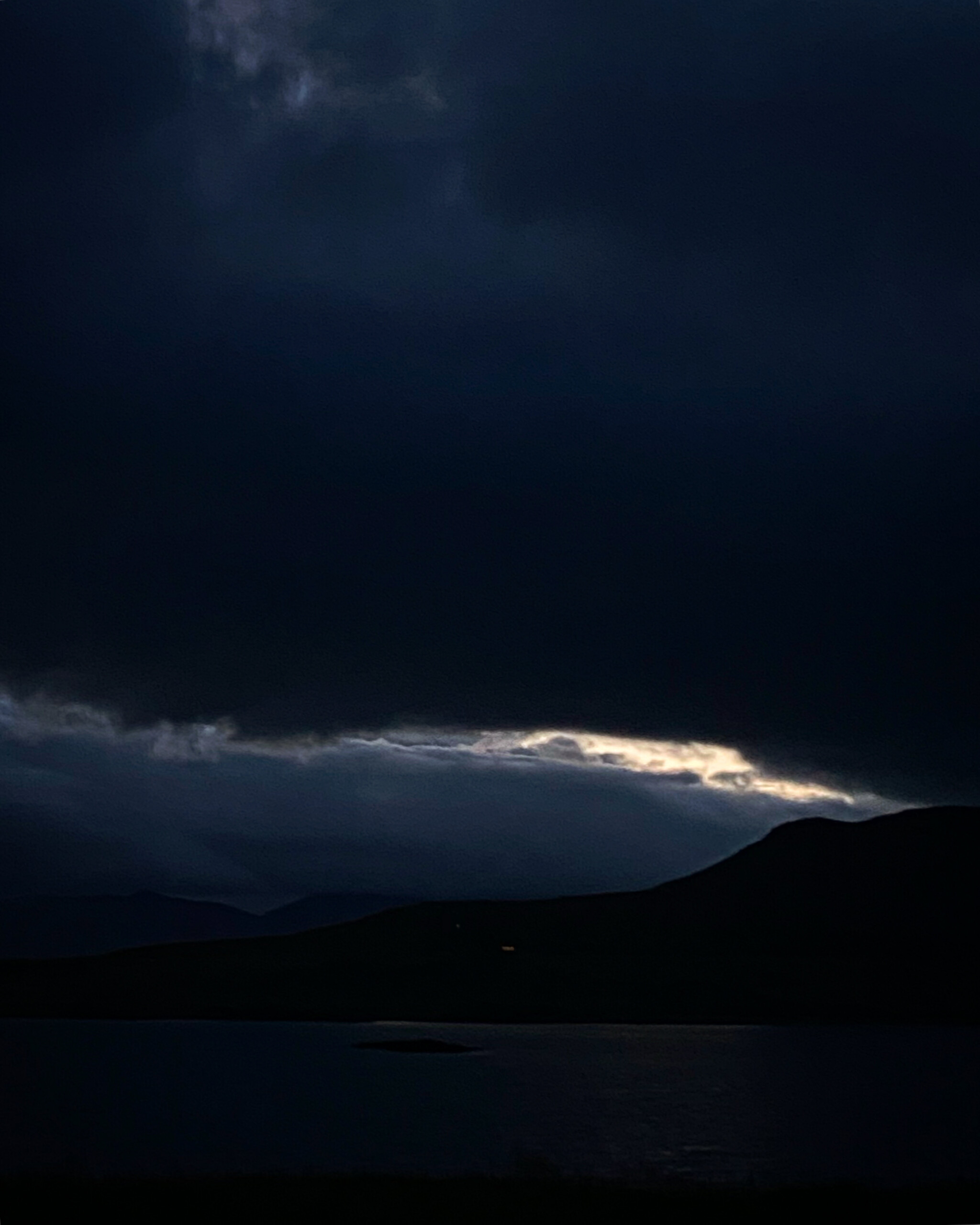
The more of these words I encounter, the clearer something becomes. We human beings feel far more than we are able to say. Our emotional lives are composed of countless small climates that drift through us every day. Some pass like thin clouds across the sky of attention. Others arrive suddenly and change the entire atmosphere of a moment.
And yet across cultures people have been patiently mapping these climates for centuries. Again and again the same territories appear. The flutter before love begins. The ache of remembering something beautiful that has ended. The warmth of belonging. The restless pull toward possibility that sends us exploring unfamiliar roads. Different languages draw the symbols differently, but the landscape itself remains remarkably familiar.
Which suggests something beautiful: that beneath our many cultures and histories lies a shared emotional geography. We recognize these places because we have all traveled through them.
This is where design enters the story.
If language provides the map, design becomes something like a weather system moving across that terrain. The spaces we inhabit, the objects we hold, the digital environments we move through each day are constantly shaping the emotional climate around us. Good design rarely announces itself loudly, but it alters the atmosphere of a moment all the same.
As designers we often speak about usability, efficiency, or function, but beneath those practical concerns lies something deeper. Every designed experience carries an emotional temperature. A doorway can invite or intimidate. A digital interface can soothe or exhaust. A public space can make strangers feel briefly like neighbors. When design is thoughtful it does not merely solve problems. It tunes the emotional weather in which human life unfolds.
As I can personally attest, a hospital waiting room lit with harsh fluorescent light and rigid plastic chairs produces one kind of emotional weather. Anxiety gathers there like dark clouds above cold water. Time stretches painfully. Conversation becomes brittle. But a space designed with warmth, natural light, and places where people can sit beside one another rather than apart begins to change the forecast. The circumstances remain difficult, yet the emotional climate shifts slightly. Fear softens. Breathing slows. Compassion has room to appear.
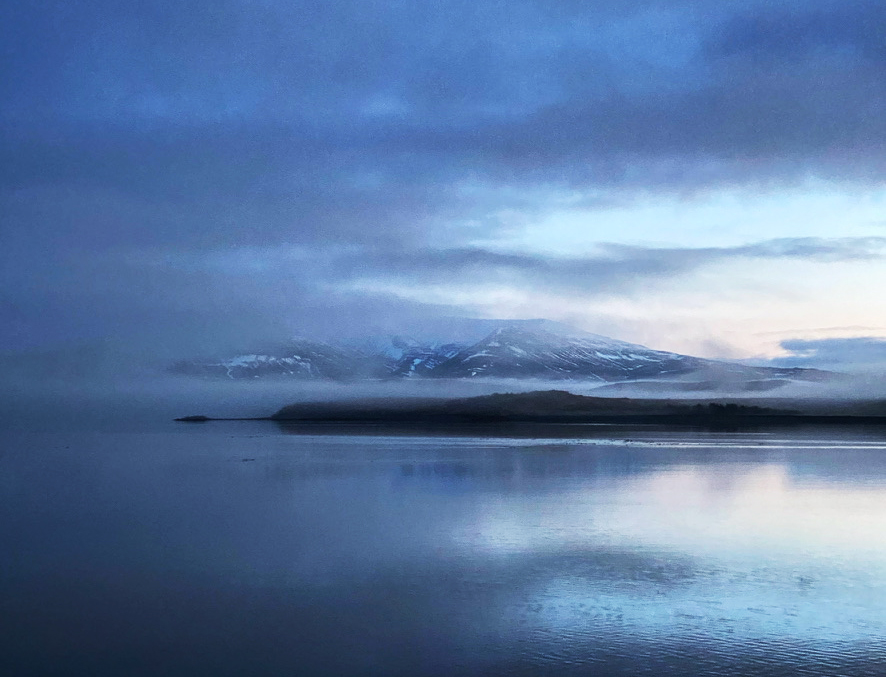
Design, at its best, behaves like a weather map for human feeling. It helps us read the sky. It allows us to notice where storms may be gathering and where clearings might appear. It guides us through difficult terrain with a little more grace. Sometimes it even invites us toward emotional experiences we might otherwise avoid. A piece of music that opens the door to grief. A photograph that returns us to nostalgia. A thoughtfully crafted digital space that encourages reflection rather than distraction.
Good design does not attempt to eliminate emotional weather. That would be impossible, and perhaps undesirable. Instead it acknowledges that the inner climate of human life is complex and shifting, filled with storms and sunlight and long gentle seasons of change. It offers us tools for navigating that landscape with a little more awareness. I worry that as digital technology endlessly smoothes out the bumps and eases the journey, we lose the nuanced emotional wayfinding that reminds us that we are alive, imperfect and sometimes lost.
The more I think about it, the more it seems that our lives are spent wandering across this terrain without fully realizing how rich it is. We pass through moments of kilig without pausing to notice the brightness of that clearing. We feel the tide of söknuður and assume it is simply sadness, when in fact it is memory breathing slowly beneath the surface of the present.
Once you begin to see feelings as places rather than problems, something changes. The landscape opens. You start to recognize the shape of longing when it appears on the horizon. You learn that nostalgia can warm a cold afternoon rather than darken it. You understand that awe is a kind of altitude, a place where the mind briefly rises above its usual concerns and sees the world more widely.
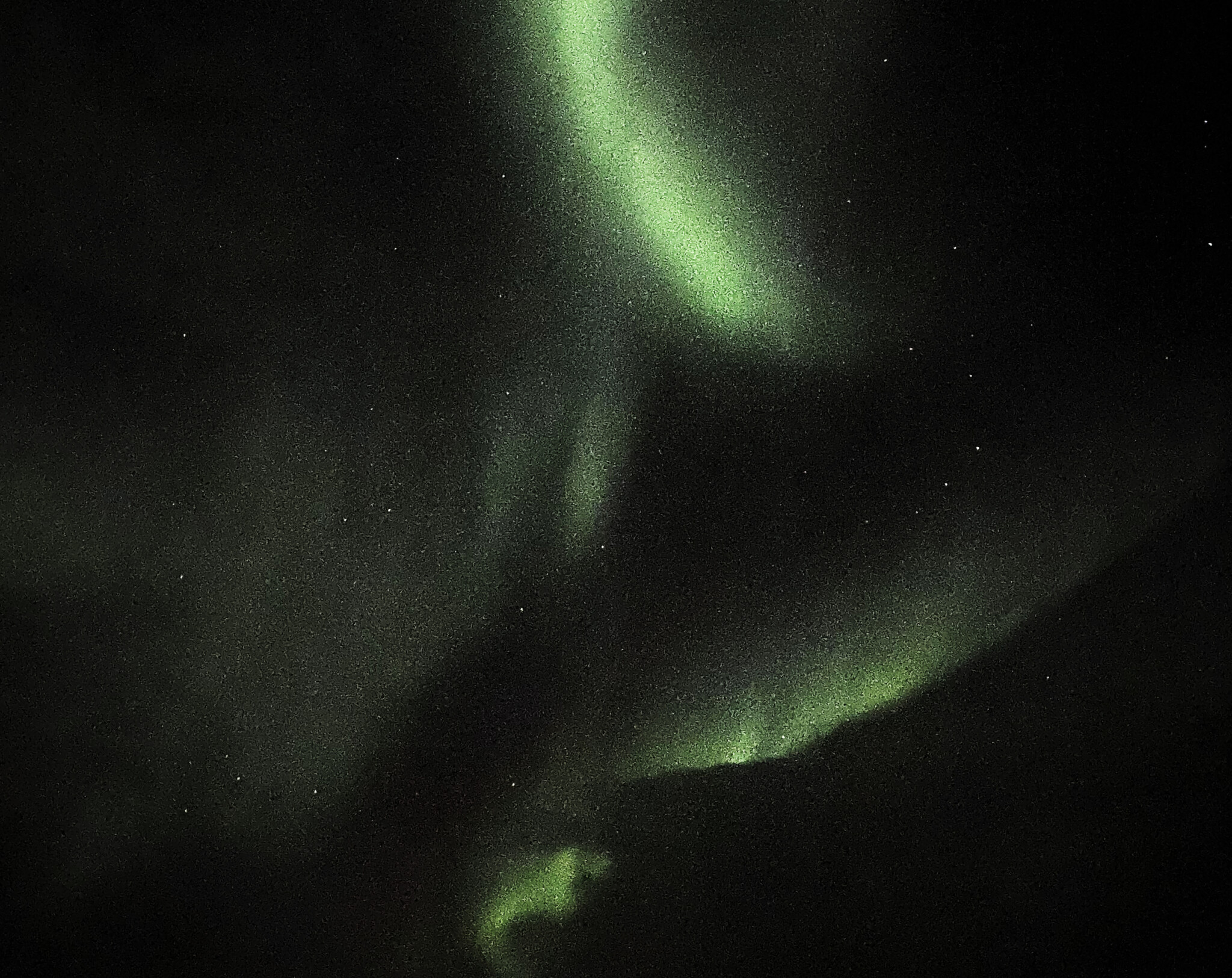
And perhaps most importantly, you realize that none of us is wandering alone. Every person you pass on the street is walking through their own emotional geography, crossing valleys of memory, climbing ridges of hope, standing sometimes beneath skies filled with storms.
Language gives us fragments of the map. Design helps us read the weather.
And feeling, in the end, is simply the act of walking through the landscape with open eyes, aware that the terrain beneath our feet is far more intricate and beautiful than we were ever taught to see.
I, Feel
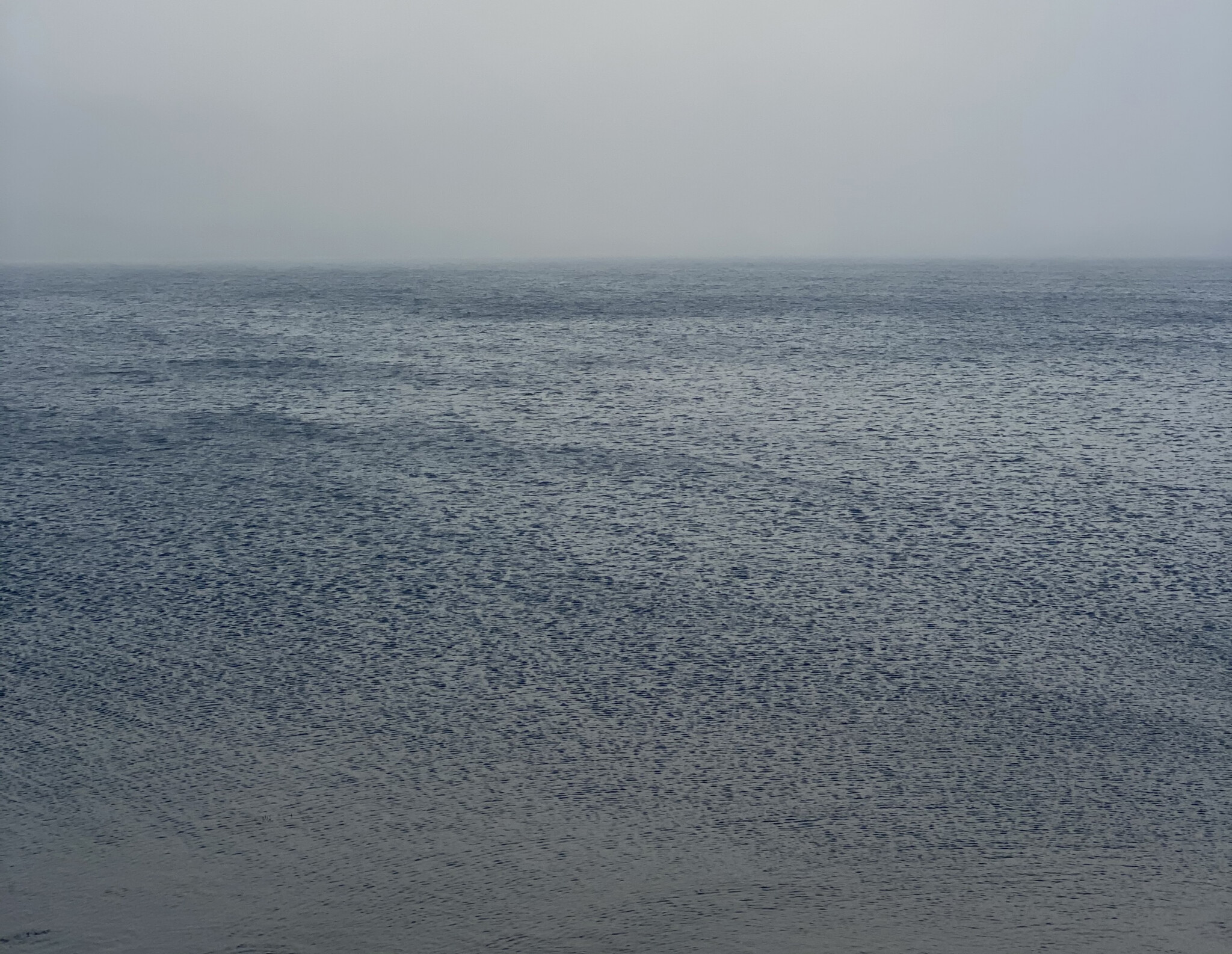
When it came to a collaborator on this piece, there was honestly no one else I could imagine other than my partner Jim. For the last 34 years, we have traversed the globe together, lived in a multiplicity of places in a multiplicity of ways, all united by two core ideas: Does the geography speak to us? and What is the light there like? Nobody captures both of those sentiments better. Jim writes:
The light at the top of the world, whether the three hours of winter or the twenty-four hours of summer, is oblique, gentle, soft; these are the long-slanted rays of the sun kissing the earth goodbye as they fly past and out into space. There are colors in Iceland that are not seen anywhere else: moss-green cliffs tissued in root beer, tangerine skies, obsidian seas, mountains of iridescent pink, metallic ice flows, sunsets of Jell-O, and an infinite palette of bluey, peachy, purply, yellowy greys. Because the wind never stops, never abides, never calms, it all changes minute by minute, color by color. I watch, mesmerized by the ever-changing light, clouds scudding across the fjord, slipping over glassy mountaintops, rolling down into fog as they dive into the icy water below. The fog obscures, filters, billows; my pictures become abstractions. The weather, the land, the volcanic eruptions, the freezing seas, and frozen glaciers will kill you. Sitting behind the precarious safety of our house’s glass walls, I am annihilated in awe; what is left of me drifts as insubstantially as the fog. I take the best pictures of my life.
Four years later, we bought a very old house on the island of Fyn, two hours below Copenhagen. There are trees in Denmark; the land and weather are not trying to kill you. The landscape here is of a farming hamlet, observed from small windows beneath an ancient thatched roof. Light filters gently into the day. I return to the pre-Arctic me; small still-lifes speak. Silverware purchased from Portobello Road 40 years ago sits in soda fountain glasses bought in New York in the 90s; a tea towel woven by a friend rests insouciantly upon an ancient table; kitchen scraps present themselves in graphic whimsy. I see the Rococo beauty of an unmade bed at dawn, the wabi-sabi exuberance of grocery store flowers.
Landscape may change, decades may pass, but the creative process continues.
You can find Jim on Instagram at @jimcooper615