I, Fold
Despite knowing the journey and where it leads, I embrace it. And I welcome every moment of it.
“Life is lived on the inside of a fold.” – Gilles Deleuze
Some experiences do not unfold in the way we expect. They do not move forward cleanly or resolve themselves into narrative. Instead, they bend time back on itself, creasing past and future together until two moments briefly occupy the same space. When this happens, the air changes. Sound thins. The body recognizes something the mind has not yet learned how to name.
It began almost thirty years ago, when Jim and I went to stay with a friend who had a house in the Catskills. She mentioned, casually, that some friends were joining us, and that they were bringing their son. When they arrived, we went through the familiar choreography of greetings and introductions, coats and bags, the polite settling-in that accompanies weekends like this. I asked where their son was, expecting him to appear from another room.
Then the boy came into view.
He was about eight. Small, quiet, with glasses slightly too large for his face, floppy hair, and a posture that carried shyness not as insecurity but as attentiveness. The air froze. It was Jim. Not a boy who resembled Jim in the vague way children sometimes resemble adults, but Jim himself, unmistakably so, as if time had simply been reversed. The resemblance bypassed resemblance and landed somewhere stranger and more precise. It felt less like recognition than collision.
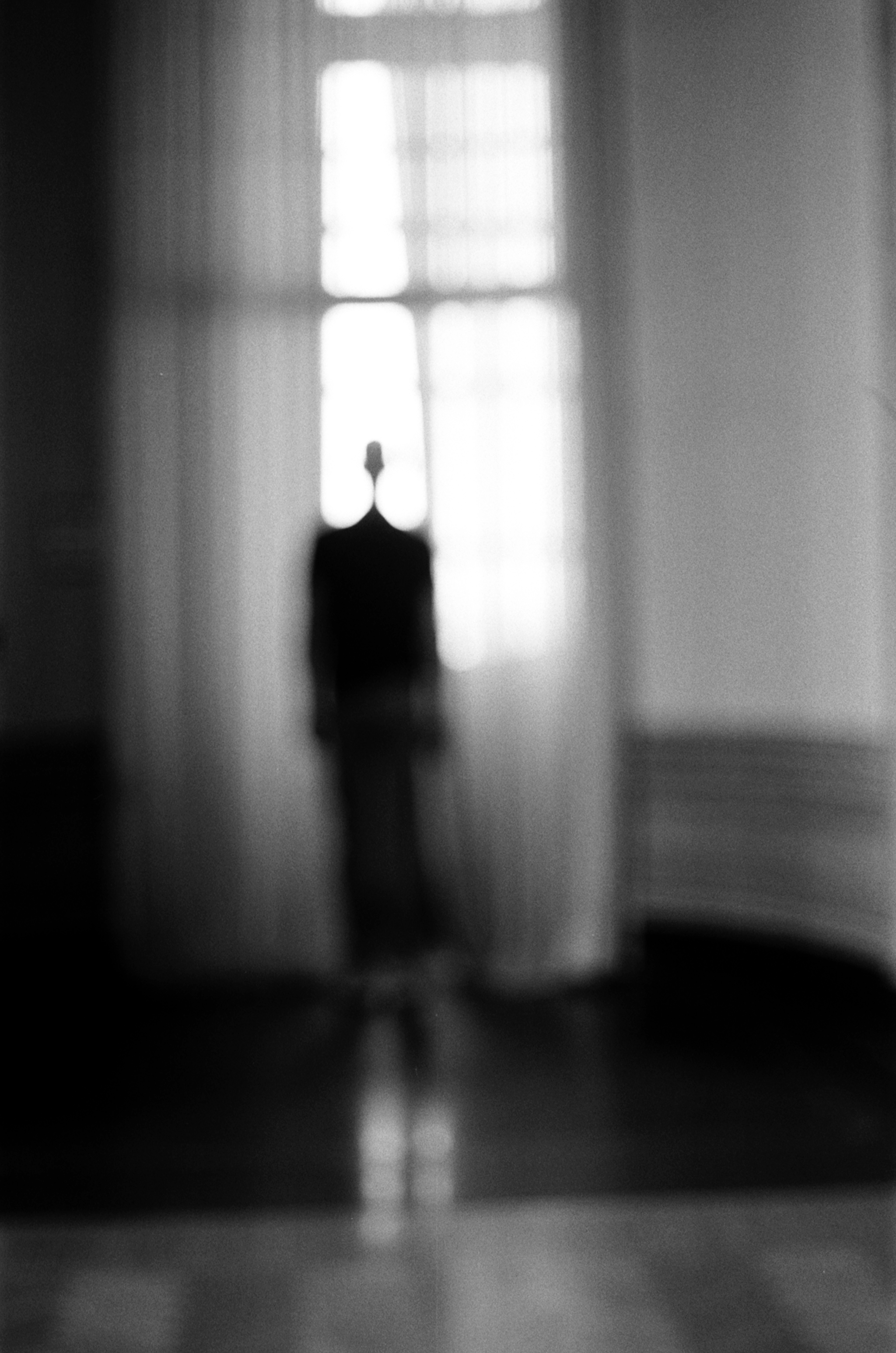
Something else happened then. The boy stopped. Jim stopped. They looked at each other for a fraction of a second, no words exchanged, no confusion visible. In that suspended moment, both of them knew. They were each other. The knowing did not arrive through logic or comparison. It arrived whole, immediate, and complete, like a memory that had been waiting for its cue.
We like to think of time as orderly, as a sequence that behaves itself. Before, during, after. But every so often, time behaves differently. It bends. It doubles back. It creates a fold, and through that fold something passes. Nothing dramatic followed that encounter. The weekend continued. Meals were made. Conversations resumed. But something had shifted. A crease had been pressed into the days that followed, subtle but permanent, changing how the fabric would fall from then on.
I did not have language for it then. I only knew that something fundamental had briefly been revealed and then politely withdrawn, leaving behind a sensation rather than an explanation.
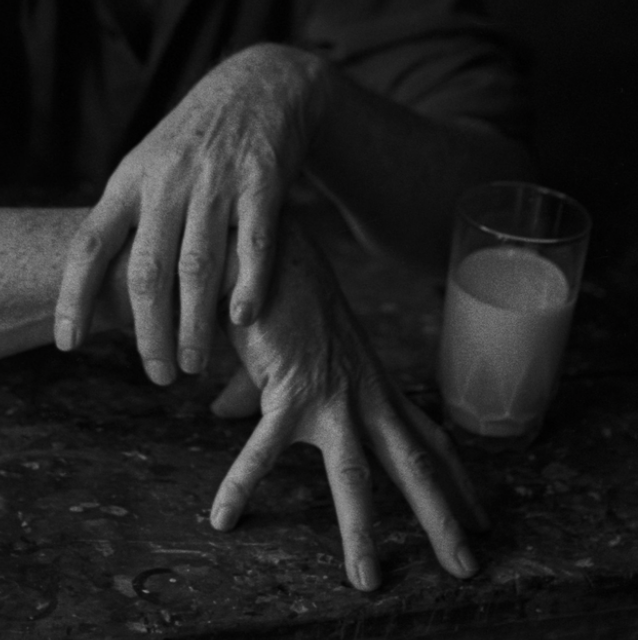
Nearly three decades later, it happened again.
Late last summer, I was walking through our local supermarket in Denmark. It was a Sunday, and the store was quiet, almost reverent in its ordinariness. I noticed a very old man moving slowly with a shopping cart. Inside it were small potted plants and carefully chosen food in modest quantities. Food for one. I remember thinking, idly, cool shoes for an old guy, noticing the care with which he moved, his deliberateness. I also noticed, fleetingly, how much he resembled my father.
I walked closer. He turned around. The air froze.
It was me.
Not an old man who looked like me, but me, with time forwarded. The recognition bypassed vanity, fear, and curiosity. It went straight to something cellular. He stopped. I stopped. We locked eyes for a split second, and just as before, both of us knew. We were each other.
After confronting my own mortality over the last few years, as one inevitably does when the body insists on being heard, I found unexpected comfort in that encounter. Not dread. Not melancholy. Comfort. It felt less like a warning than a reassurance, less like an ending than a form of continuity. The future did not feel like erasure. It felt inhabited.
I first encountered a language for this feeling while watching Past Lives, the film by Celine Song. The story turns on the Korean concept of Inyeon, 인년 the idea that relationships are layered across time and lives, that even the briefest meeting requires countless prior intersections. We brush against one another because we already have, many times before. When I heard the word, something in me recognized it immediately, not as philosophy but as memory.
Since then, I have been drawn to the thought that time itself has folds. That past and future are not sealed compartments but adjacent rooms separated by thin walls. Occasionally, without warning, we lean against the wall at the same moment someone else leans back. Or perhaps, we meet ourselves.
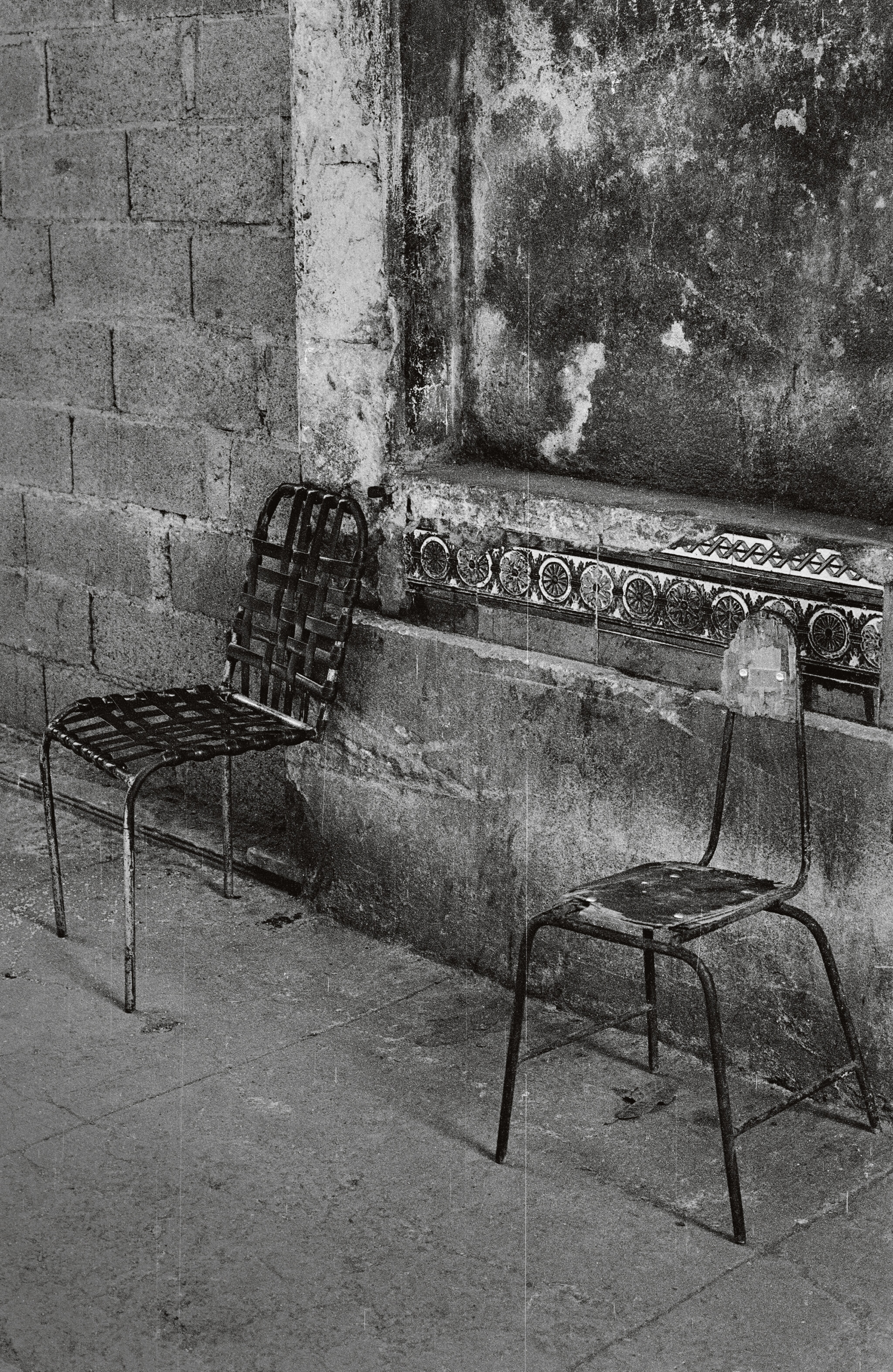
Design understands this instinctively. Good design does not announce itself. It is gentle, quiet, and feels almost instinctive, like an echo of something we already know but had not yet articulated. It does not erase memory so much as hold it, folding it back into form. Objects remember how they were used. Interfaces remember what we reach for first. Spaces remember how bodies moved through them, where they paused, where they turned, where they lingered.
Design pleats experience, compressing past interactions so that future ones arrive already aligned. This is why well-designed things feel inevitable rather than novel. They do not shout for attention. They greet us with recognition. They bring earlier moments forward and send future ones backward until they meet in use.
Memory is not stored in design like data. It is structured into it. The fold is the mechanism.
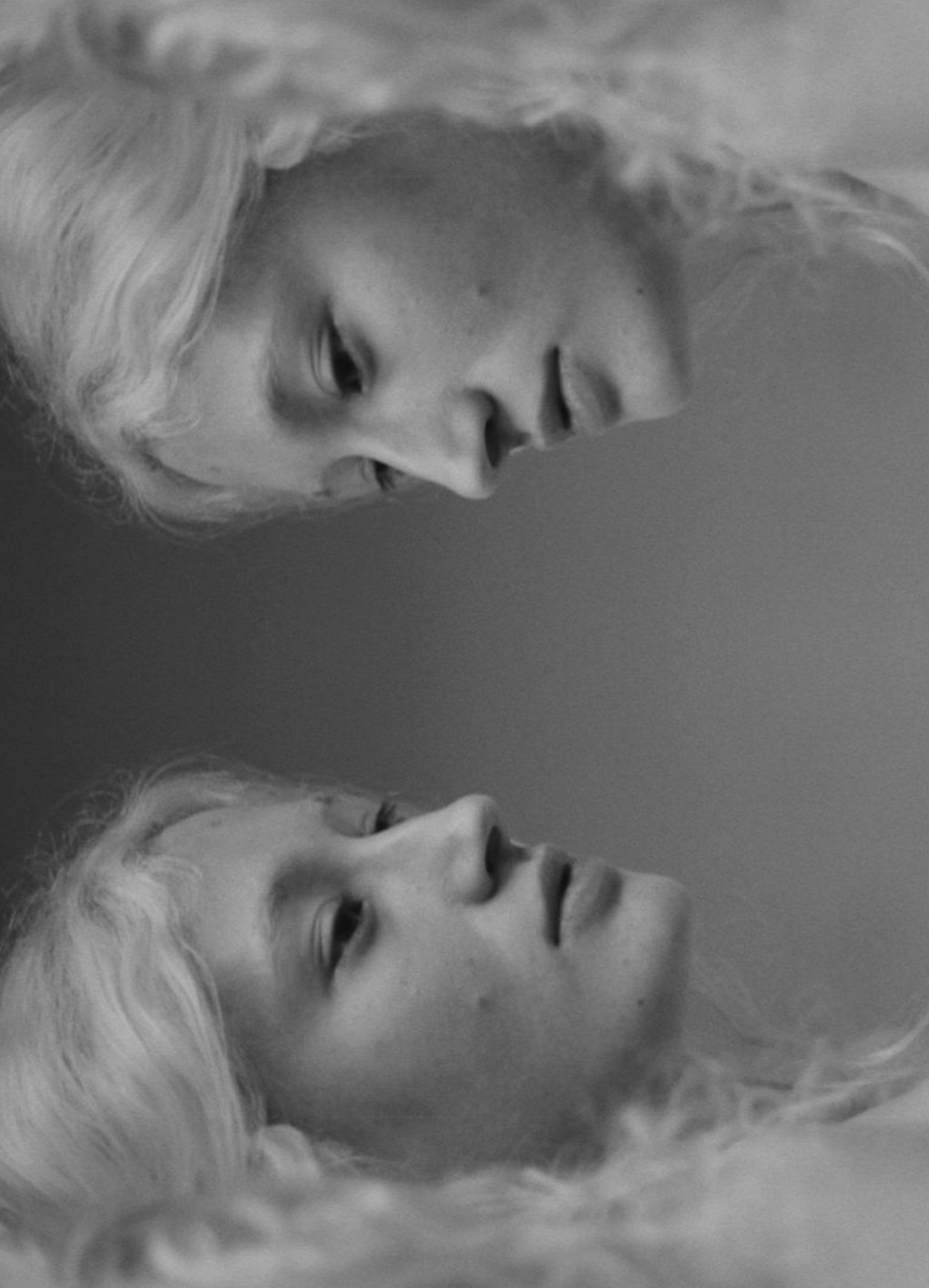
What struck me most in both encounters was their gentleness. There was no spectacle, no revelation demanded. Just recognition. Just a quiet nod between versions. The boy did not need to be explained to Jim. The old man did not need to be explained to me. Explanation would have flattened the moment. This was not information. It was contact.
We spend much of our lives trying to integrate our past selves, through reflection, therapy, and narrative. But perhaps integration sometimes works the other way around. Perhaps the self is already whole, folded rather than fragmented, and we glimpse that wholeness when time loosens its grip just enough to let two layers touch.
Folding is different from weaving. Weaving creates continuity through accumulation. Folding creates continuity through adjacency. Two distant points touch without traveling the space between them. The crease does the work.
Paper remembers where it has been folded. So do we. Every life carries creases: moments of loss, of recognition, of becoming. We like to imagine ourselves as smooth narratives, but we are closer to origami, complex forms shaped by repeated folds, each one altering what comes next.
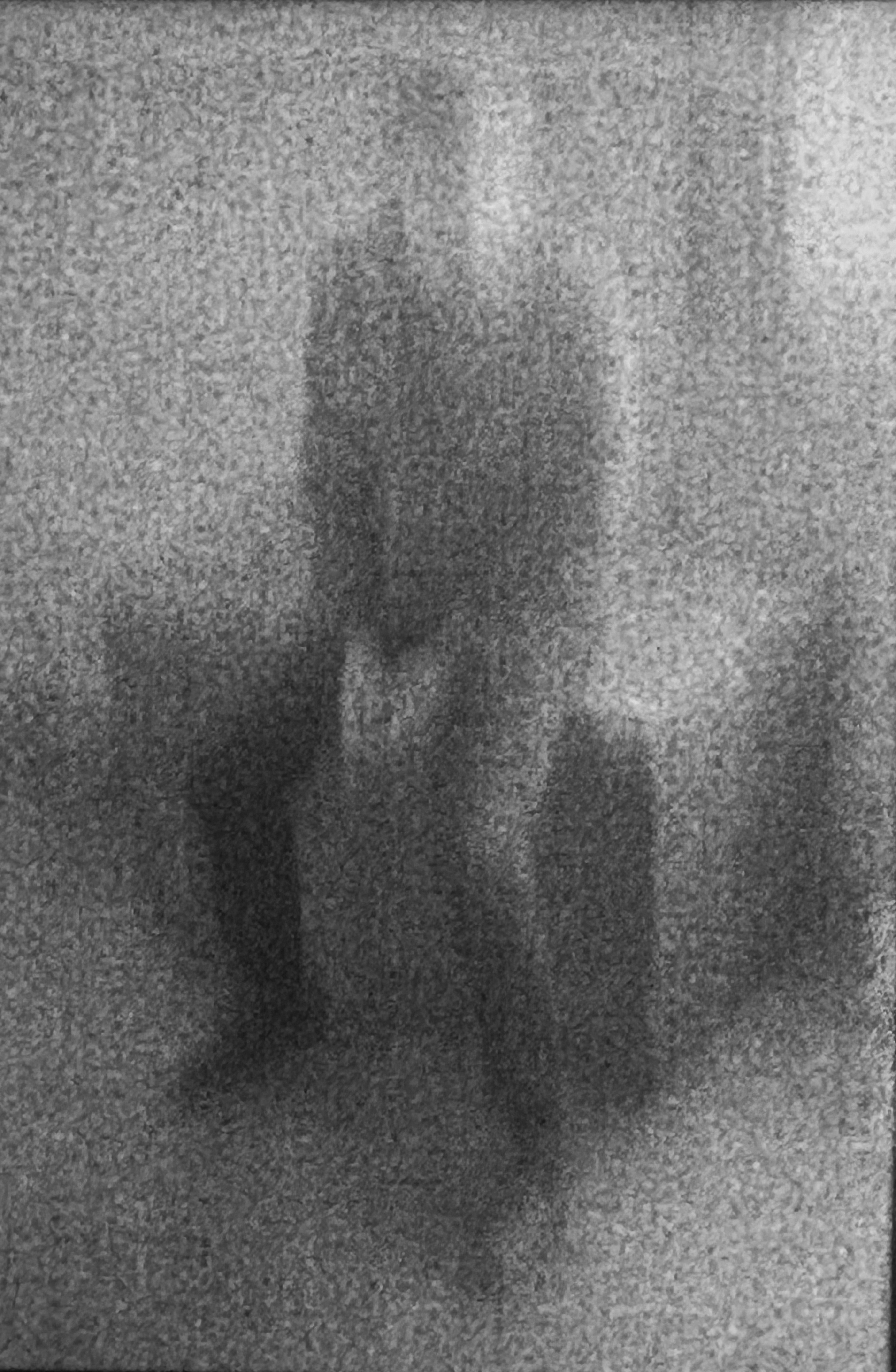
The boy and the old man did not frighten me because neither felt finished. Both felt in motion. The boy was not a beginning. The old man was not an ending. They were simply different configurations of the same material.
This is the comfort I keep returning to. That we are not moving toward disappearance, but toward rearrangement. That time does not erase us so much as refold us. That the self is not worn away by years, but redistributed.
I do not need this to be literally true. It only needs to be true enough to live by.
When I think back to the Catskills, I no longer see coincidence. I see an early crease, a pre-fold that prepared me for what came later. And when I think of the supermarket, I no longer think of age. I think of alignment, of care, of the quiet dignity of choosing plants, of selecting food thoughtfully, of walking steadily forward.
If time has folds, then presence is how we feel them. Design teaches us to respect them. Memory teaches us to recognize them.
I fold. Not away from myself, but into myself, holding past and future briefly together, trusting that the fabric of a life is stronger for having been bent.
And sometimes, for just a second, we meet ourselves there.
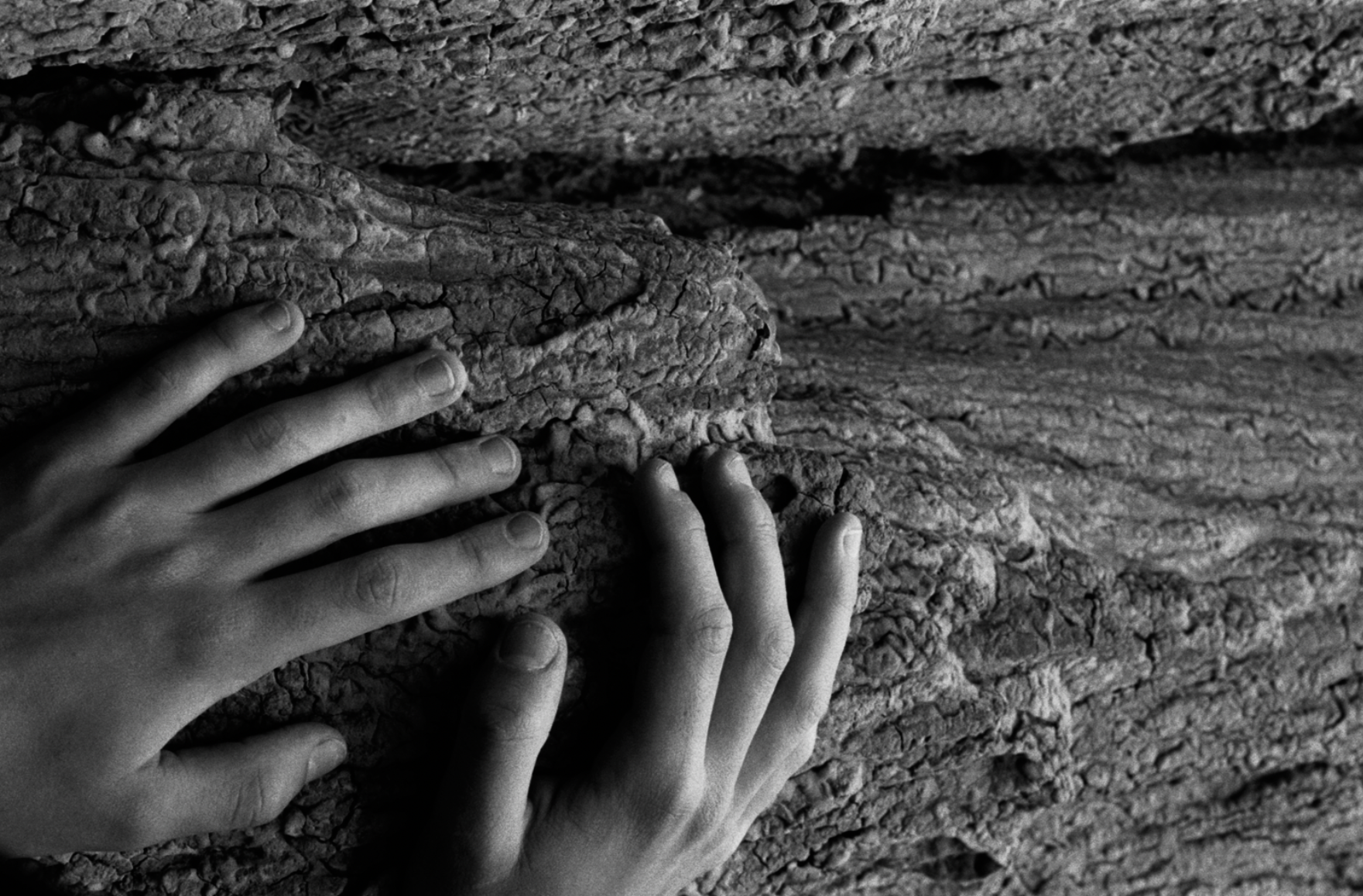
There are photographers who document the world as it is. And then there are those who seem to listen to it first.
Maura Sullivan belongs to the latter.
Her work does not shout. It does not chase spectacle or trend. Instead, it lingers. It hovers in that delicate territory between presence and memory, where light becomes less an instrument and more a companion. In her images, you feel something just before you fully see it. A hush. A breath. A quiet recognition that this moment has been waiting for you.
Sullivan’s photographs often feel suspended in time. Figures emerge from shadow not as subjects to be consumed, but as presences to be encountered. The compositions are restrained, almost spare, yet emotionally dense. There is an attentiveness to edges. To texture. To the way light grazes skin, fabric, or air itself. She seems less interested in capturing faces than in tracing the emotional weather that moves across them.
There is a softness in her aesthetic, but not fragility. The softness is deliberate. It creates room. Room for ambiguity. Room for projection. Room for the viewer’s own interior landscape to step forward. In a culture obsessed with hyper-clarity and relentless exposure, her work resists the urge to explain. It trusts the incomplete frame. It understands that suggestion can be more powerful than declaration.
But there is something more. There is trust.
Some content, by its very nature, carries a raw and unguarded intimacy. It asks not only for technical skill, but for steadiness of heart. To photograph another human being at their most open is to hold something fragile. It requires hands that do not grasp. Eyes that do not judge. A presence that protects.
Jim and I have known Maura for over thirty years. Ours is not a recent collaboration, nor a casual acquaintance. It is a friendship forged over decades of shared stories, quiet confidences, and the long arc of life unfolding. We consider her not only a great artist, but a great friend. And when the time came to entrust this deeply personal work to someone, there was never a question. She was the only person we could imagine holding us in her hands.
That phrase matters. Holding. Not directing. Not staging. Not extracting. Holding.
With Maura, the camera does not feel like an intrusion. It feels like an extension of care. She creates a space in which vulnerability does not feel exposed, but honored. Where tenderness is neither amplified nor diminished, only witnessed. The result is imagery that feels profoundly human. Not polished into perfection, but alive with the quiet irregularities of truth.
Her photography invites a slower gaze. It asks us to soften our eyes and lean in. It reminds us that attention is a form of love. That to truly see something, we must first allow ourselves to be seen.
In this sense, Sullivan’s work is less about documentation and more about communion. Each image feels like a quiet exchange between photographer and subject, and then, in turn, between image and viewer. A triangular intimacy forms. We are not outside the frame. We are gently pulled inside it.
In a time of algorithmic perfection and polished surfaces, Maura Sullivan’s photographs feel human. They carry the warmth of trust. They feel like memory as much as image. Like something folded carefully and kept close.
And perhaps that is her true gift. She does not simply show us what is there. She reveals what can only emerge when we feel safe enough to let ourselves be held.
- Things We Remember (2021): Published by Skeleton Key Press, this is her first monograph, featuring 70 duotone plates. It is described as a, mysterious, and emotional collection.
- After Beauty (2022): Published by 1605 Publishers, this second monograph features poetry by Walter Fields alongside her photography, exploring themes of character and inner life.
- As we Speak (2026): Published by Skeleton Key Press, this is her third monograph, featuring 95 duotone plates, is an intimate conversation between her and her subjects.
- Find and follow Maura’s work at @maura12345