I, Son
To describe my mother would be to write about a hurricane in its perfect power
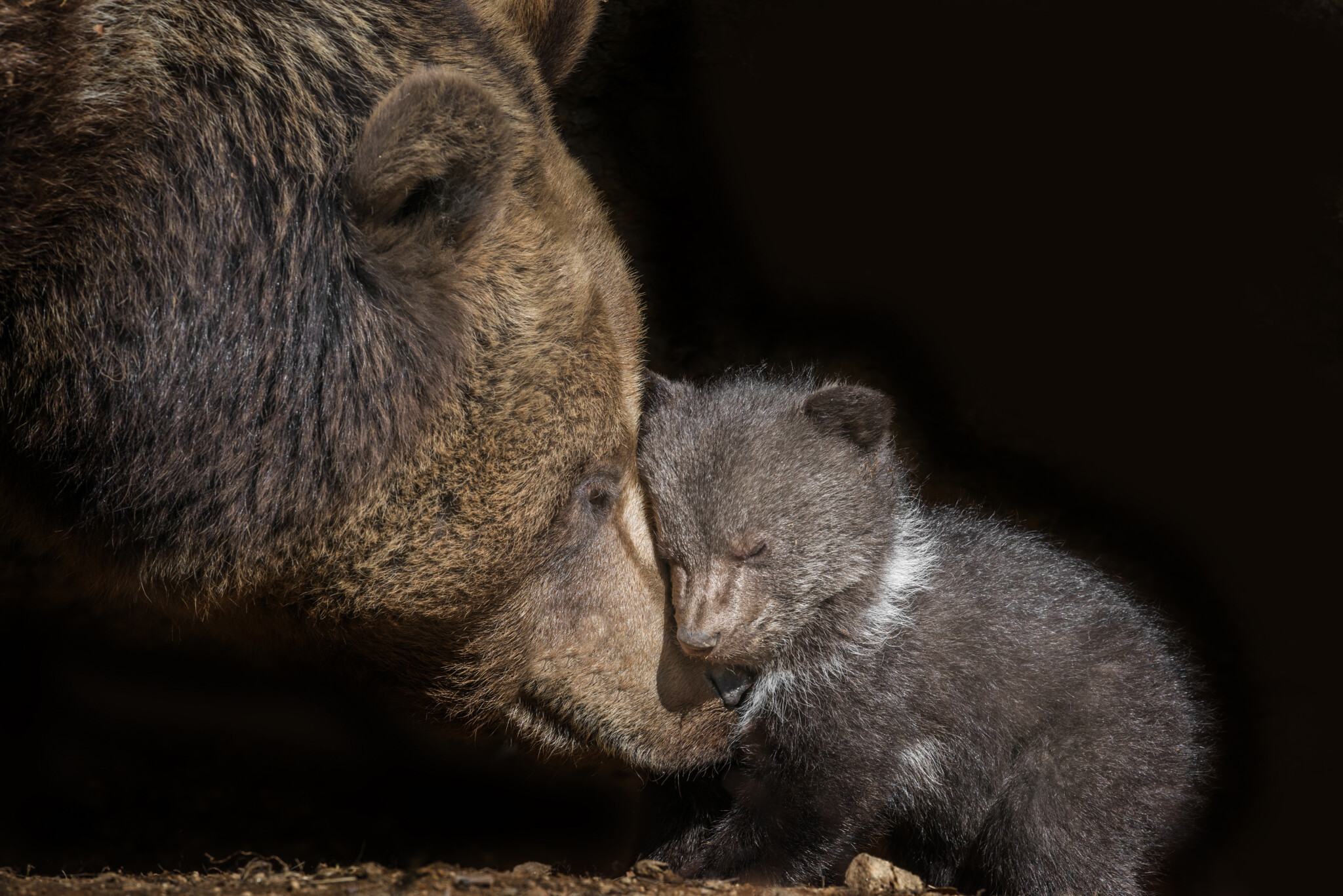
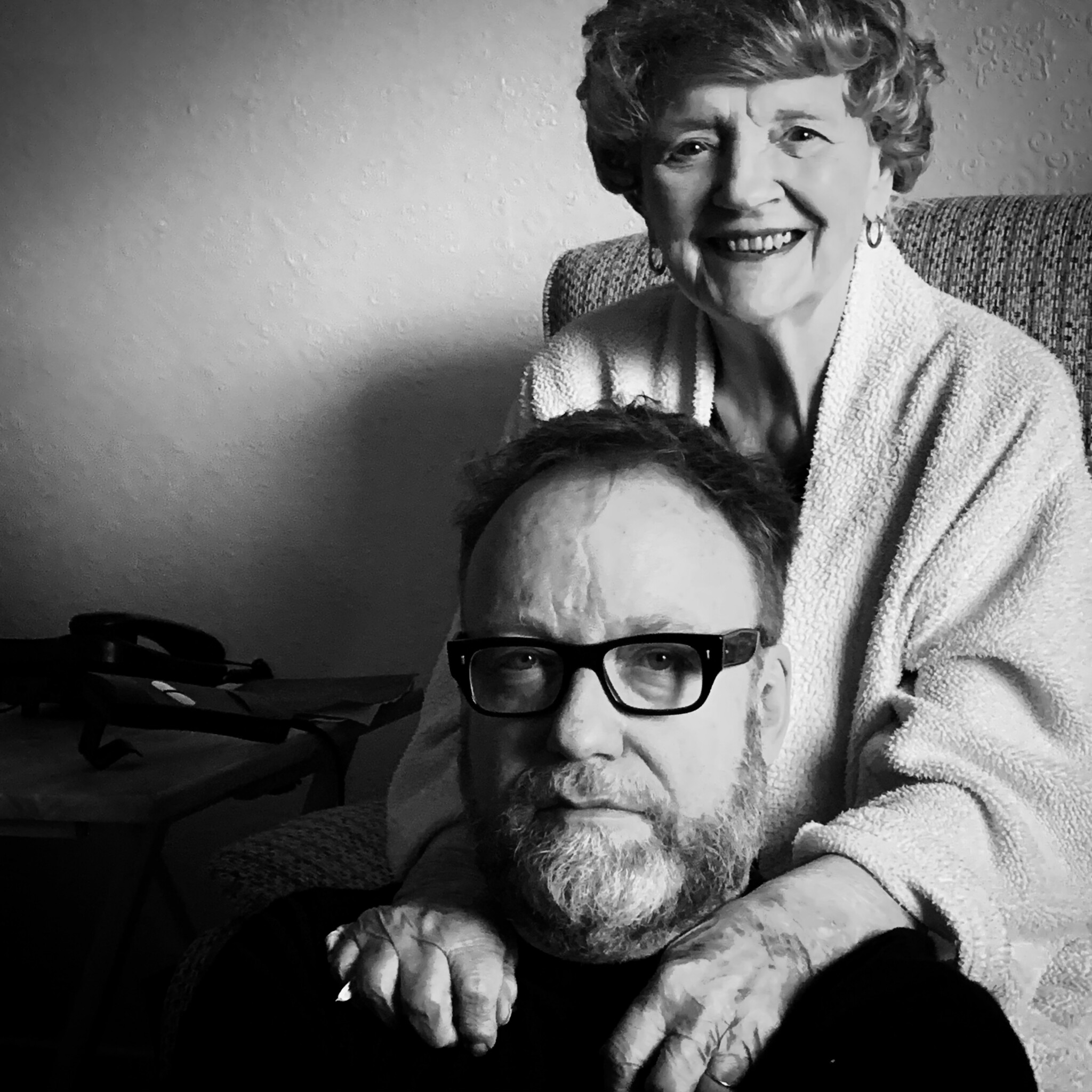
My mother would have turned one hundred this past week. One hundred. A number so large it stops behaving like arithmetic and starts becoming weather, atmosphere, its own pressure system moving across the mind. It doesn’t feel possible that one life could contain so much time, and yet when I think of her, I do not think first of duration. I think of force. I think of temperature. I think of a presence that even now has not left me, but lingers in the grain of things, in gesture, in instinct, in the way I still move through the world. Some people die and become memory. Others become element.
This morning I was swimming, and perhaps that’s why she came back to me so strongly. The pool was warm in that enveloping way that feels almost pre-verbal, womb-like, as if the body has been returned to an earlier intelligence and asked to remember something older than thought. I fell into my usual rhythm, breath and stroke, breath and stroke, my body making its old bargain with repetition. After fifteen minutes my goggles misted over, as they always do. Usually I stop, lift them, clear them, restore the world to crisp edges and practical certainties. But today I did not want the world crisp. I did not want edges. I wanted the blur. I wanted that milkiness, that softened blue, that sense of moving through something tender and half-seen. So I kept swimming, held inside the haze, and something about it felt deeply right, as though clarity itself had become unnecessary for a while, as though feeling my way through was enough.
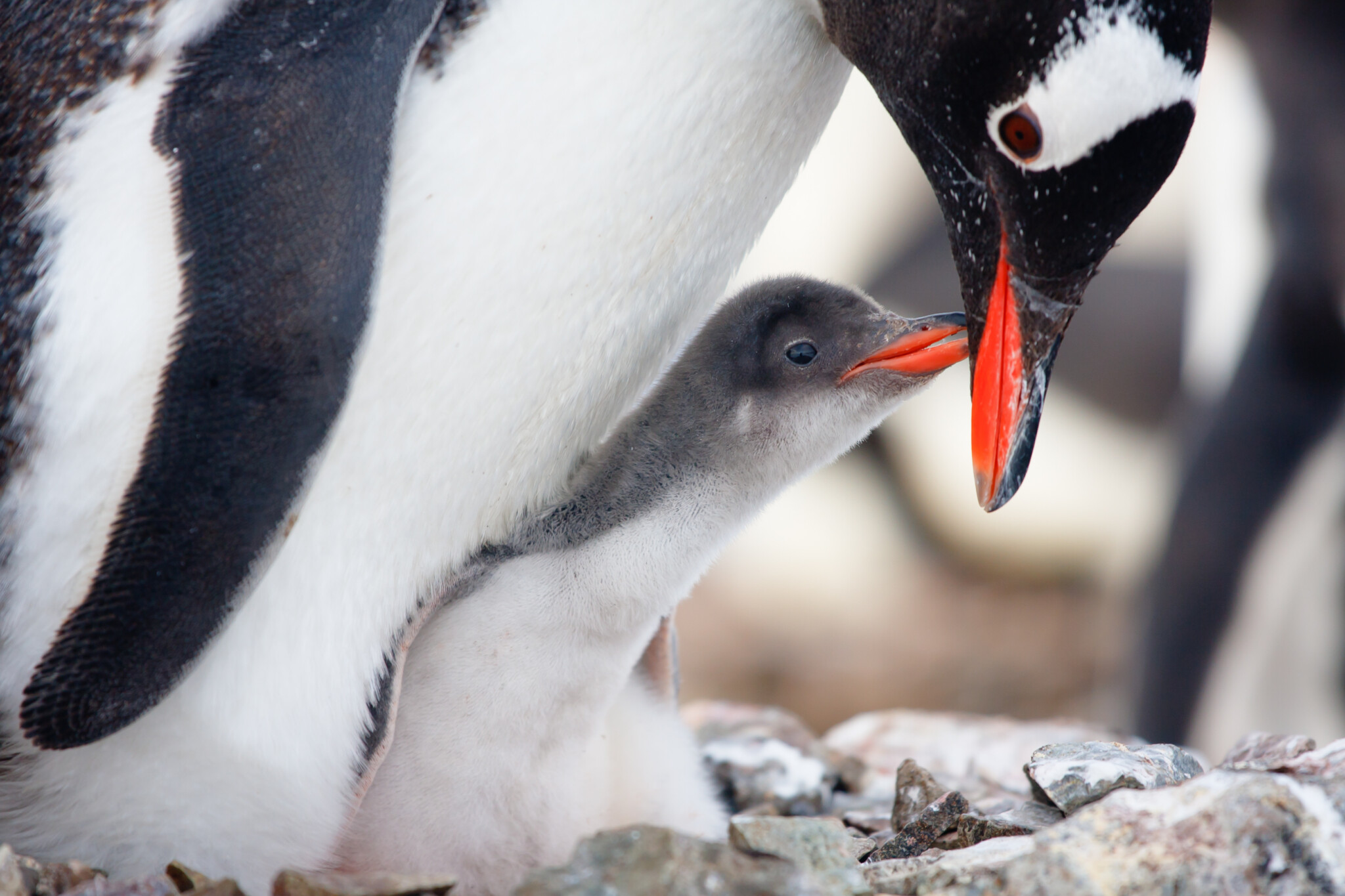
And of course, in that warm, amniotic blur, I thought of my mother. She was a swimmer too. When I was little we lived in Singapore; she was part of an amateur synchronized swimming team called The Aquastunt Girls, a name I have always loved because it sounds faintly absurd and wildly glamorous, like lipstick at the edge of a pool, women deciding that life need not always be sensible to be splendid. Even now I can feel the texture of that image more than I can properly see it. Bodies moving in choreographed unison through chlorinated light. Laughter. Performance. Water not as sport exactly, but as medium, as stage, as place of play and belonging. I sometimes wonder whether my own affinity for water began there, not consciously, not in any provable way, but atmospherically, a maternal weather system I entered early and never fully left. My mother taught me to do handstands in the water, which I can still do. Perhaps love works like that. Perhaps it gets into the body by osmosis.
She was Scottish, wild and headstrong, and I mean that in the best sense, not as ornament but as nature. She hated her given name, Agnes, so she simply changed it to Anne. She had that quality some people possess where you sense immediately that the world has not fully managed to tame them. Before I was born she ran away from home and flew across the world to marry my father, carrying with her all the formal codes of another era, the wool twinset, the stockings, the properness of the time, and then stepping out into the desert in Sharjah on her first layover as if onto the surface of the moon. I remember her telling me, with a look of enduring disbelief and delight, “Dear, I’d never seen a camel, never mind sat next to one.” I have always loved that sentence because it contains her so completely. The humor. The daring. The willingness to step into the unknown while still dressed for the old world. She did not wait for life to become familiar before entering it. She entered first, then let astonishment catch up.
When I was a boy and bullied at school, she protected me in the way that really matters, not by pretending the world was gentle when it was not, but by refusing to let its cruelty define me. Sticks and stones, she would say, but not lazily, not as some throwaway parental line. She said it with force, with conviction, with that strange maternal alchemy by which a phrase can become a shield if spoken by someone who means it enough. She did not teach me that pain was unreal. She taught me that it need not become my identity. There is a profound difference between those two things. She was protective, yes, but never smothering. Her protection did not wrap me so tightly that I could not breathe. I think it put iron in my spine. It made it possible to keep going.
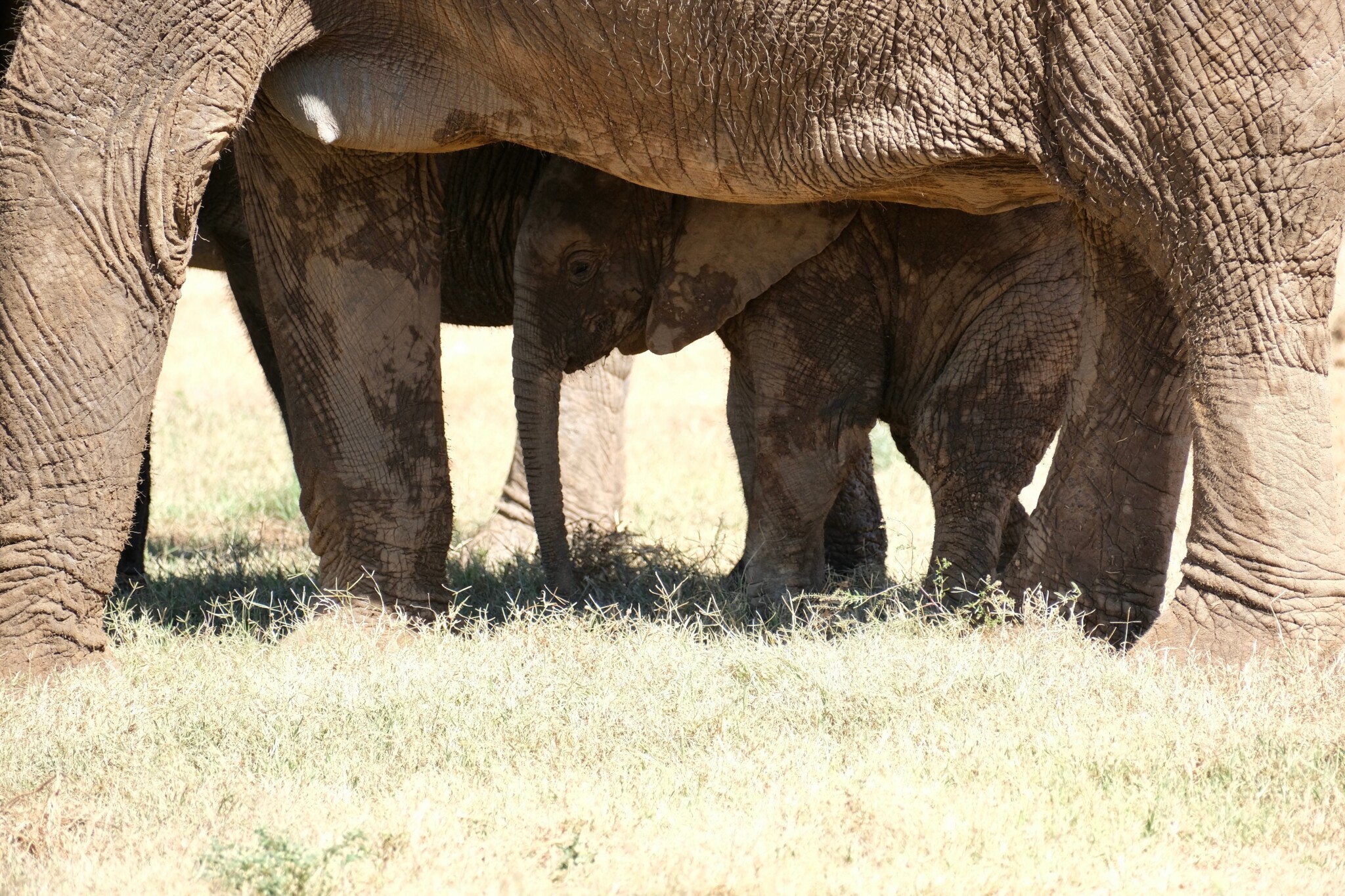
And then there was that other kind of protection, the kind that arrives as acceptance before the world has had the chance to make a wound. When I was a teenager, a little weird lonely kid sitting in my room listening to The Carpenters on repeat, confused in that private way that only adolescence can be confusing, sensing things about myself I did not yet know how to say aloud, she came in and sat beside me and told me that she and my father loved me regardless. I think often of that word. Regardless. So modest on the page, so immense in the body. It clears a space. It removes conditions before they can even gather. It says there is no test to pass here, no role to perform, no narrower self you must shrink into in order to remain loved. It is astonishing, really, how a life can be steadied by a single word offered at the right moment.
Years later, when I met Jim and called my parents from New York to tell them, long distance, heart racing, performing that old and terrible choreography of hope and fear that only coming out can evoke, my mother did something I have never forgotten. She said: “Is he there? Put him on the phone. I want to talk to him.” There was no pause in her. No evaluative silence. No making me wait inside the exposed moment. She went straight to him, straight to us, straight to the future that was already arriving. Jim got on the phone and she told him it was lovely to meet him and how happy I sounded. I still feel the clean beauty of that. Not acceptance as tolerance, which is such a grudging and bloodless word, but acceptance as embrace, immediate and unceremonious. Love moving faster than judgment. Love not standing in the doorway, but opening it wider.
And yet the older I get, the more I understand that what I inherited from her was not only softness, not only permission, not only the warm and necessary act of being met where I was. I inherited propulsion too. She knew how to hold, but she also knew how to release. When I was eighteen and considering colleges, I was thinking about going to art school close to home, something safe, something nearby, something that would not ask too much of me. My mother came into my room, sat down, and said, with total certainty, “You need to go to college in London. You deserve it.” I remember the force of that moment. It was not a suggestion. It was an act of recognition. She saw a life in me that I was not yet brave enough to claim for myself, and instead of soothing that fear, she refused it. She pushed her chick from the nest. She understood that love is not always the hand that gathers. Sometimes it is the hand that sends.
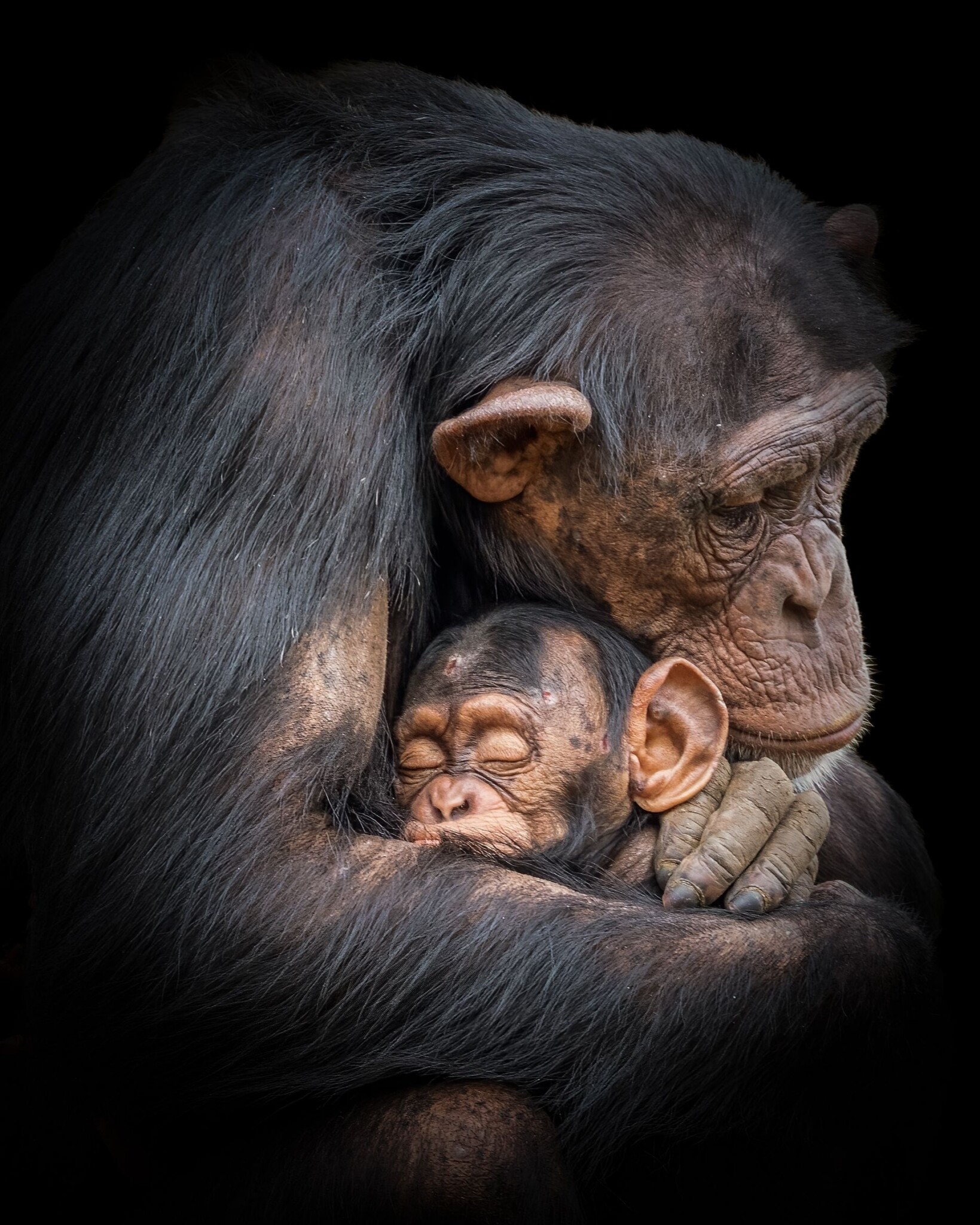
I think of that scene in Cinema Paradiso, the mother, Maria, telling her son, Salvatore, to leave his hometown and not look back, to go and build a life beyond the place that formed him. It breaks me every time because it is one of the purest expressions of love I know. Not love as possession. Not love as sentimentality. Love as release. Love as the refusal to make closeness into a cage. There is something immense in that maternal act, in knowing that to keep someone near is not always to love them best. Sometimes the holiest thing is to bless the departure.
Since writing I, Pause, my colleague Ashlea wrote to me and said that many of the phrases and images in it evoked receptivity, a yin energy, a kind of femininity. I have been thinking about that, and what I feel most strongly is not the question of gender, but of energy. Energy is the truer frame for me. We are living through such a strange era of performance, of inflated volume, of manospherey men shouting into their phones in airports, manspreading across public space and public discourse alike, of a coarseness so often mistaken for power. The world seems drunk on assertion. Everything must be branded, broadcast, over-explained, turned outward at full volume. And so to be told that my work carries another kind of energy felt not diminishing, but redemptive. It felt like a circle closing. It felt like my mother still moving through me.
This is where I find myself, as I so often do, thinking about design.
Because design at its best is not really about objects or interfaces or even aesthetics, not in any final sense. It is about care translated into form. It is about shaping an experience so that another human being can move through it with more ease, more dignity, more possibility. Good design knows how to support us. It can hold us in moments of confusion. It can reduce needless friction. It can make us feel considered. It can say, without saying, I thought about what it would feel like to be you. I thought about where this might hurt. I thought about where you might get lost. I made a place for your hand to rest.

But the best design does not only soothe. It does not only cradle. It also knows when to push, when to embolden, when to invite us into a larger version of ourselves. It can create the conditions in which confidence becomes possible. It can remove one barrier after another until suddenly we find ourselves doing the thing we had once been too hesitant to do. In that sense design carries the same energy I have been tracing through my mother. It knows how to nurture, but it also knows how to propel. It knows that support and freedom are not opposites. Support is often the thing that makes freedom possible.
When I was in my teens, we did a project at school about the senses. I came home and asked my parents what they thought their strongest sense was. Without thinking, my mother and I said exactly the same thing at exactly the same time. “My sixth sense.” I have never forgotten it. The simultaneity of it felt almost comic, almost magical, but beneath that was something more moving, the realization that there was an invisible faculty we both trusted instinctively, a mode of apprehending the world that sat somewhere beyond the obvious five. That mystical Scottish sixth sense. Intuition. Proprioception. The bodily knowing of what is around us and perhaps even what is coming next. The ability to walk into a room and feel its emotional temperature before a word has been spoken. The ability to sense the hidden architecture beneath the visible one.
I think of that now as one of the strongest design tools we can apply. In this hyper-rational world, so in love with metrics and proofs and post-rational explanations, intuition can be made to seem unserious, indulgent, soft around the edges. But I have come to trust it more and more, not as the opposite of thought, but as thought’s forerunner, its scout, the thing that goes ahead into the forest and returns with news. Intuition often knows before the intellect has assembled its evidence. It catches the note under the note. It feels the weather shift before the storm arrives. It tastes what is missing. To have that capacity feels like a gift. To imagine that it was inherited, that it came to me through my mother like some wild and useful current, feels better still.
Empathy lives here too. Not as sentimentality, but as perception. To design with empathy is not simply to be nice, nor is it only to comfort. It is to perceive accurately where someone is and what they need, but also what they may be capable of becoming. It is to know when to cushion and when to challenge. When to simplify and when to ask a little more of them. When to shelter and when to say, in whatever form the moment requires, you are ready now. Go further. Trust yourself. There is maternal energy in that, not in any gendered sense, but in the sense of life-making, life-holding, life-releasing. An energy that says I will help you become more fully yourself, even when that means I cannot keep you near.
As I swam this morning through the blue blur, I realized that not seeing clearly had sharpened something else. I felt more than I saw. I trusted more than I corrected. The warm water held me, but it did not stop me. It let me move. It let me remember. It let me inhabit that strange borderland between memory and body, between grief and gratitude, between being carried and carrying on. It seemed to me then that this is how inheritance often works. Not as a fixed image framed on the wall, but as a current still moving through the limbs. A way of being. A way of sensing. A way of loving.
My mother at one hundred is not, for me, only a figure receding into the past. She is present in the way I try to meet people. Present in the way I value softness that does not weaken and strength that does not harden. Present in the way I want the things I make, whether words or worlds or experiences, to feel both sheltering and liberating. Present in that sixth sense, that subtle animal instrument still tuning itself inside me, still helping me read what is needed, still asking me to trust what arrives before the explanation does.
And so this piece becomes less about remembering her than about recognizing her. Recognizing how energy travels. How it passes through a life and into another. How a mother can become not only someone you loved, but a field you continue to live inside. I am beginning to think that the deepest inheritances are rarely material. They are temperamental. Atmospheric. They arrive as appetite, as courage, as tenderness, as intuition, as the ability to stand beside another person and know, almost wordlessly, whether they need your arms around them or your hand at their back.
I am still learning that balance. Still learning how to carry her forward without imitation, how to honor her not by becoming her, but by allowing what was strongest in her to remain alive in me. The world does not need more shouting. It does not need more swagger mistaken for force. It needs more of this other energy, the one that notices, receives, nourishes, and when the moment comes, opens the cage door. I hope my mother gave me that. In love, in instinct, in water, in design, in the strange unseen faculty by which I still try to read the world, she gave me that. And in the warm blur of this morning’s swim, with the goggles fogged and the edges gone soft, I felt for a moment that she was there again, not as ghost, not even as memory, but as element. Still carrying me. Still pushing me on.
I, Son.